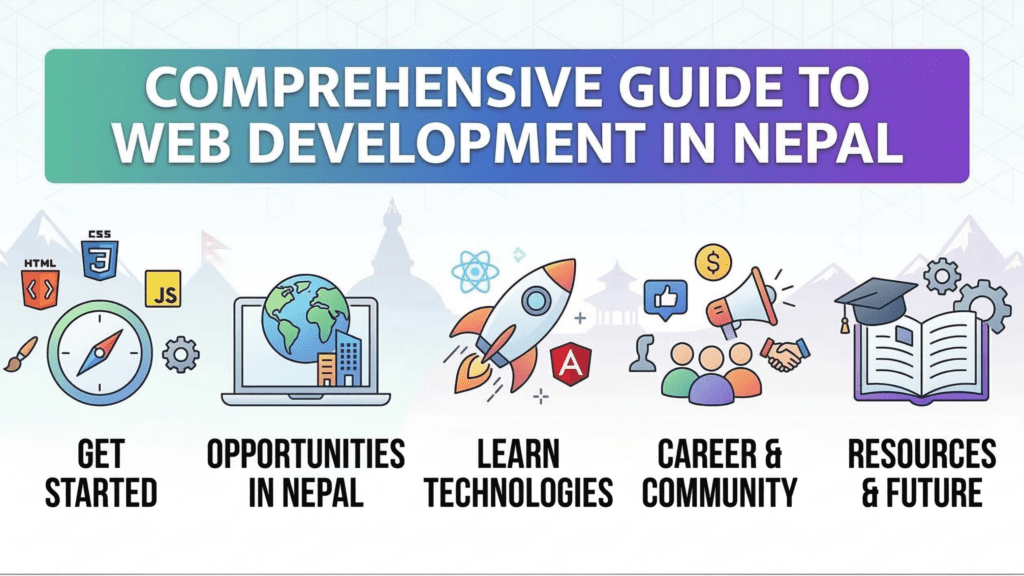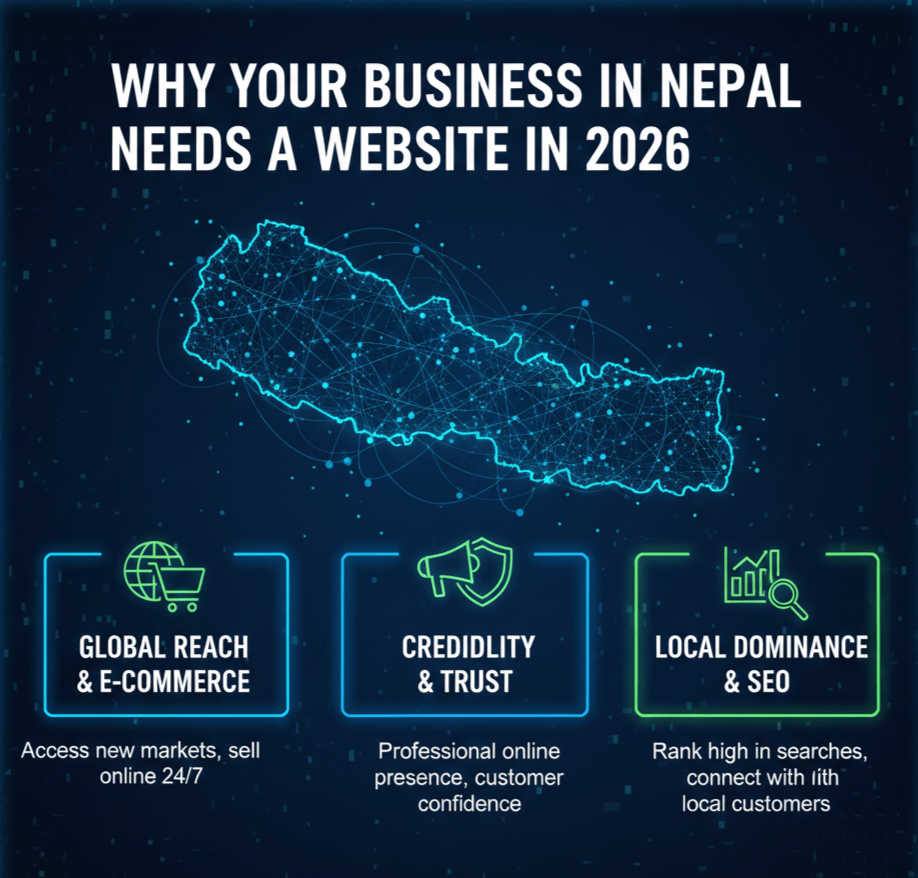
Web development trends in Nepal for 2026 prioritize mobile-first PWAs and AI-driven features to tackle spotty internet and high mobile usage across Kathmandu to rural areas. The digital landscape in Nepal is evolving rapidly. Businesses, startups, and entrepreneurs are moving online faster than ever before. From e-commerce stores to online education platforms, the demand for modern websites is growing across the country. Companies like Code In Nepal are helping businesses and students understand how powerful web technology can be for growth and innovation.
For young developers and students in Nepal, web development is no longer just a technical skill. It is a gateway to global opportunities, freelancing careers, and startup creation. With the right guidance and training from organizations such as Code In Nepal, many Nepali youths are already building websites for international clients and launching their own digital products.
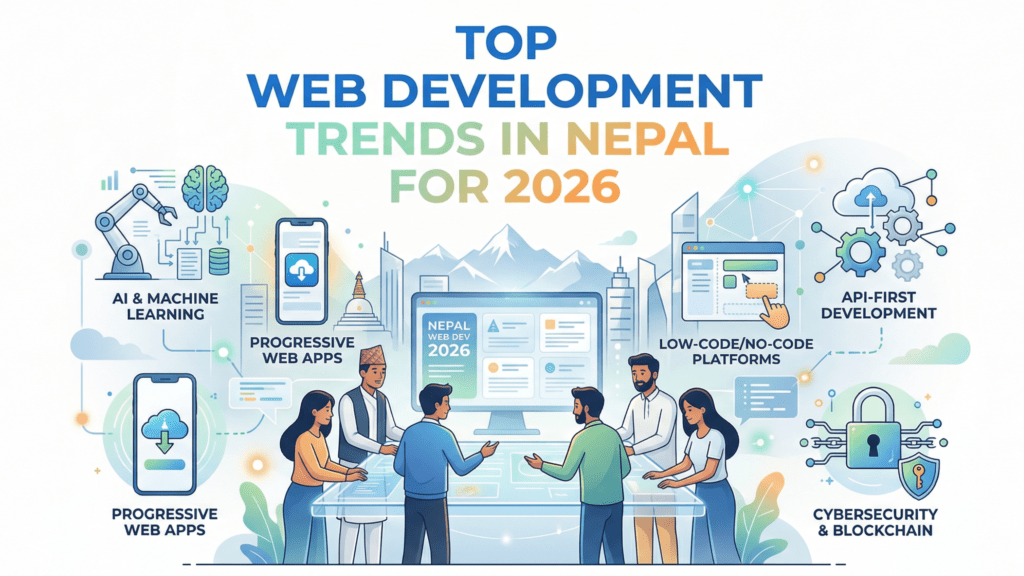
As we move into 2026, several web development trends are shaping how websites are designed, built, and optimized. Understanding these trends can help Nepali developers stay competitive and help businesses create better digital experiences.
If you’re planning to build a website this year, it’s also important to understand the cost involved—check out our detailed guide on Website Development Cost in Nepal (2026) to plan your budget effectively.
Rise of Progressive Web Apps (PWAs)

Progressive Web Apps (PWAs) are changing how people use websites. They work like mobile apps but open in a browser. PWAs load fast, work offline, and send notifications. In Nepal, where internet speed can be slow in some areas, PWAs help businesses reach users everywhere.
For example, a local food delivery company in Kathmandu can use a PWA to let customers browse menus and order food even with weak internet. PWAs are becoming popular because they are simple, fast, and easy to use.
Artificial Intelligence and Chatbots Integration

Artificial Intelligence (AI) is now part of many websites. A chatbot is a computer program designed to mimic written or spoken human conversation when engaging with users to help answer questions or solve problems. In 2026, more Nepali businesses are using AI chatbots to talk with customers, answer questions, and suggest products. Chatbots save time and make websites more interactive.
Schools and online learning platforms in Nepal are also using AI chatbots to help students choose courses or get admission details. With tools like TensorFlow and Dialogflow, developers can create smart chatbots that improve customer service and make websites more helpful.
Voice Search Optimization
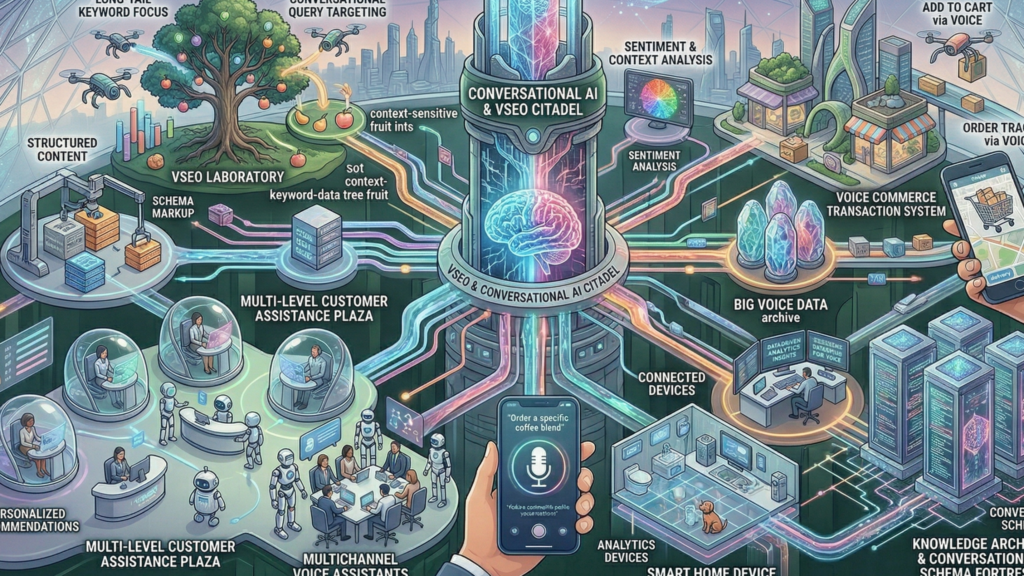
Voice search is becoming more common as people use smart devices and voice assistants like Google Assistant. In Nepal, where most users browse the internet on mobile phones, voice search makes it easier to find information quickly.
Websites are now being optimized for voice commands in both English and Nepali. For example, someone in Pokhara might say, “Find the best trekking shop near me,” and get instant results. Voice search helps make websites more accessible and user-friendly for everyone.
Motion UI and Interactive Design

Web design is no longer just about looks—it’s about experience. Motion UI uses animations and transitions to make websites more engaging. In Nepal, many brands are using motion design to tell stories and attract visitors.
Tourism websites, for example, use motion graphics to show virtual tours of places like Mustang or Rara Lake. These designs make users feel connected and interested. Interactive websites help businesses stand out and keep visitors coming back.
Cybersecurity and Data Privacy

As more Nepali businesses go online, keeping data safe is more important than ever. With the rise of online shopping and digital payments, websites must protect user information. In 2026, developers are focusing on security tools like HTTPS, SSL certificates, and two-factor authentication.
Cybersecurity awareness is growing in Nepal. Developers are learning how to prevent hacking and protect websites from attacks. A secure website builds trust and keeps users safe.
Low-Code and No-Code Development
Low-code and no-code platforms are making web development easier. These tools let people build websites with little or no coding. In Nepal, this trend is helping students, entrepreneurs, and small business owners create websites quickly and affordably.
Platforms like WordPress, Webflow, and Bubble are popular choices. They allow users to design and launch websites without needing deep technical knowledge. This trend is opening new doors for creativity and innovation in Nepal’s tech scene.
Cloud-Based Web Development

Cloud computing is changing how websites are built and managed. Cloud-based development allows teams to work together online, deploy apps faster, and scale easily. In Nepal, more developers are using services like AWS, Google Cloud, and Microsoft Azure to build flexible and cost-effective websites.
Cloud technology also supports remote work, allowing Nepali developers to collaborate with global clients. This trend is helping Nepal’s IT industry grow and compete internationally.
Focus on Sustainability and Green Web Development

Sustainability is becoming a key focus in web development. Green web development means building websites that use less energy and reduce carbon emissions. Developers are optimizing code, compressing images, and choosing eco-friendly hosting services.
In Nepal, where environmental protection is a national priority, green web development supports the country’s sustainability goals. It helps create a cleaner, more responsible digital future.
FAQs: Top Web Development Trends in Nepal for 2026

1. What are the top web development trends in Nepal for 2026?
The major web development trends in Nepal for 2026 include AI-powered websites, Progressive Web Apps (PWA), mobile-first design, headless CMS architecture, stronger cybersecurity practices, and blockchain integration. These technologies help businesses build faster, smarter, and more secure websites.
2. Why is web development becoming popular among Nepali youth?
Web development is popular among Nepali youth because it offers global career opportunities, freelancing options, and startup potential. Many students are learning web development to work remotely with international clients or build their own digital businesses.
3. What skills are required to become a web developer in Nepal?
To become a web developer in Nepal, students should learn core technologies such as HTML, CSS, JavaScript, and modern frameworks. Knowledge of UI/UX design, APIs, and cybersecurity also helps developers build high-quality and secure websites.
4. What is mobile-first web design and why is it important in Nepal?
Mobile-first web design means building websites primarily for smartphones before adapting them for larger screens. Since most internet users in Nepal browse using mobile devices, mobile-first websites provide a better user experience and faster loading speeds.
5. How do Progressive Web Apps (PWA) benefit Nepali businesses?
Progressive Web Apps help Nepali businesses provide app-like experiences without requiring users to download a mobile application. PWAs load faster, work on slow internet connections, and can be installed directly on smartphones.
6. Can Nepali students build a career in web development without going abroad?
Yes, many Nepali students are building successful careers in web development without leaving Nepal. Through freelancing platforms and remote work opportunities, developers can work with clients from countries like the USA, UK, and Australia.
Conclusion
The web development landscape in Nepal is evolving rapidly, driven by innovation, creativity, and a growing pool of talented developers. From AI integration to sustainable design, these trends are shaping how businesses and individuals connect in the digital era. As technology continues to advance, the demand for skilled web developers will only increase.
Code in Nepal stands as a beacon for aspiring developers, offering training, mentorship, and real-world project experience that empower the next generation of tech leaders. By embracing these web development trends, Nepali youth can not only build successful careers but also contribute to the nation’s digital transformation.
Nepal’s future in web development is bright—and it begins with the passion, creativity, and determination of its young innovators.