Artificial intelligence is reshaping the digital marketing landscape faster than ever before. As businesses enter 2026, AI has become the driving force behind smarter campaigns, deeper personalization, and more efficient customer engagement. From predictive analytics to generative content creation, AI is transforming how brands connect with audiences and optimize their marketing strategies.
If you want to understand the foundation before diving into AI trends, check out our guide on How to Start an E-commerce Website in Nepal, where we explain how digital businesses are built from scratch.
The integration of AI into marketing is no longer optional—it is essential for survival and growth. Companies that leverage AI tools can analyze massive datasets, predict consumer behavior, and automate repetitive tasks, freeing marketers to focus on creativity and strategy. This blog explores the most impactful AI digital marketing trends that will define success in 2026 and how businesses can use them to dominate their industries.
The Rise of Predictive Marketing

Predictive marketing uses AI algorithms to analyze historical data and forecast future consumer actions. AI models today can evaluate a layered set of signals that, individually, are just metrics, but together, become genuine predictive intelligence. In 2026, this trend will become the foundation of digital marketing strategies.
How Predictive Marketing Works:
AI models process large datasets from CRM systems, social media, and web analytics to identify patterns. These insights help marketers anticipate customer needs, personalize offers, and optimize timing for campaigns.
Example:
A retail brand can use predictive analytics to determine when a customer is likely to repurchase a product. The system automatically triggers a personalized email or ad at the right moment, increasing conversion rates.
Benefits:
- Improved ROI through targeted campaigns
- Reduced customer churn
- Enhanced personalization
- Efficient budget allocation
Predictive marketing also helps businesses forecast seasonal demand, optimize inventory, and plan promotions more effectively. As AI models become more sophisticated, they can even simulate market conditions and competitor behavior, allowing marketers to make proactive decisions rather than reactive ones.
Hyper-Personalization Through AI

Personalization has evolved beyond using a customer’s name in an email. In 2026, hyper-personalization powered by AI will redefine customer experiences.
What It Means:
AI analyzes real-time data such as browsing history, purchase patterns, and engagement metrics to deliver content tailored to individual preferences.
Applications:
- Dynamic website content that adapts to user behavior
- Personalized product recommendations
- AI-driven email campaigns with individualized offers
- Real-time ad targeting based on micro-segmentation
Impact:
Hyper-personalization increases engagement, loyalty, and conversion rates. Customers feel understood, leading to stronger brand relationships.
AI-driven personalization also extends to omnichannel marketing. Whether a customer interacts through a website, mobile app, or social media, AI ensures a consistent and relevant experience. This seamless integration across platforms builds trust and enhances brand perception.
AI-Powered SEO and Content Optimization

Search engine optimization is undergoing a massive transformation. In 2026, AI-powered SEO will dominate digital marketing strategies.
Key Developments:
- Semantic search that understands context and intent
- Voice search optimization for conversational queries
- Content automation for blogs and metadata
- Predictive SEO that forecasts trending topics
Example:
AI tools can analyze top-ranking pages and suggest improvements in tone, structure, and keyword density.
AI also helps marketers identify content gaps and opportunities by analyzing competitor performance. With natural language processing (NLP), AI can generate outlines, suggest internal links, and even create optimized content drafts. This not only saves time but ensures that every piece of content aligns with search intent and user expectations.
Conversational AI and Chatbots

Chatbots have evolved from simple FAQ responders to intelligent virtual assistants capable of handling complex interactions. In 2026, conversational AI will be a cornerstone of customer engagement.
Capabilities:
- 24/7 customer support
- Personalized product recommendations
- Automated lead qualification
- Integration with CRM systems
Benefits:
- Reduced operational costs
- Faster response times
- Enhanced customer satisfaction
Modern chatbots use sentiment analysis to detect emotions and adjust their tone accordingly. They can escalate issues to human agents when necessary, ensuring a balance between automation and empathy. Businesses that adopt conversational AI will see improved engagement and higher conversion rates.
AI in Social Media Marketing

Social media platforms are increasingly driven by AI algorithms that determine what content users see. In 2026, marketers must leverage AI to stay ahead.
Trends:
- AI-generated content for posts and visuals
- Sentiment analysis to understand audience emotions
- Influencer identification based on engagement metrics
- Ad optimization through real-time learning
AI also enables predictive social media marketing, where algorithms forecast trending topics and suggest optimal posting times. This ensures that brands remain relevant and visible in fast-moving digital spaces.
AI can even analyze video performance, engagement rates, and comment sentiment to refine future campaigns. The ability to understand audience behavior at scale allows marketers to craft more authentic and impactful social media strategies.
Businesses looking to scale faster can also read our article on Digital Marketing Nepal: Scale Sales to Next Level to learn proven strategies for growth.
Visual and Voice Search Optimization

The way users search for information is changing. Visual and voice search are becoming mainstream, and AI is at the heart of this transformation.
Visual Search:
AI enables users to search using images instead of text. Platforms like Google Lens and Pinterest Lens are leading this shift.
Voice Search:
With the rise of smart speakers and voice assistants, optimizing for natural language queries is crucial.
Optimization Techniques:
- Use structured data and schema markup
- Focus on conversational keywords
- Optimize images with descriptive alt text
- Ensure mobile-friendly design
Voice and visual search optimization will become essential for e-commerce, travel, and lifestyle brands. Businesses that adapt early will capture a growing segment of users who prefer hands-free, intuitive search experiences.
AI-Driven Video Marketing
Video remains the most engaging content format, and AI is revolutionizing how videos are created, distributed, and analyzed.
AI Applications in Video Marketing:
- Automated video editing and captioning
- Personalized video recommendations
- Predictive performance analytics
- Deepfake prevention and authenticity verification
Example:
AI tools can analyze viewer engagement to determine the best video length, tone, and posting time.
AI also enables dynamic video personalization, where elements like text, voiceovers, and visuals change based on viewer data. This creates a more immersive and relevant experience, increasing watch time and conversions.
AI can even generate synthetic actors or voices for localized campaigns, reducing production costs while maintaining quality.
Ethical AI and Data Privacy

As AI becomes more pervasive, ethical considerations and data privacy are paramount. Consumers demand transparency in how their data is used.
Key Principles:
- Data minimization and anonymization
- Transparent AI decision-making
- Compliance with global privacy laws
- Bias detection and mitigation
Marketers must ensure that AI systems are fair, explainable, and accountable. Ethical AI not only protects consumers but also strengthens brand reputation. Companies that prioritize responsible AI use will gain a competitive advantage in trust and loyalty.
In 2026, ethical marketing will be a differentiator. Brands that communicate openly about their AI practices will attract privacy-conscious consumers and avoid regulatory risks.
AI-Powered Advertising Automation
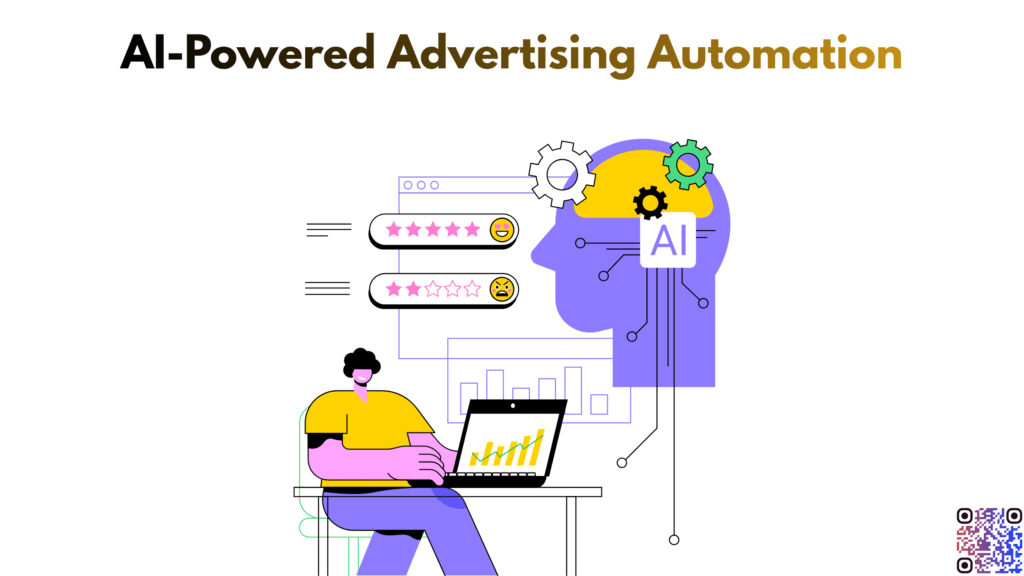
Advertising platforms are increasingly automated, with AI optimizing every aspect of campaign management.
Capabilities:
- Real-time bid adjustments
- Audience segmentation
- Creative testing and optimization
- Fraud detection
Benefits:
- Higher ROI
- Reduced manual workload
- Improved targeting accuracy
AI-driven advertising also enables contextual targeting, where ads are displayed based on the content a user is viewing rather than just demographics. This ensures relevance and reduces ad fatigue.
AI can also detect fraudulent clicks and impressions, protecting ad budgets from waste. As programmatic advertising evolves, AI will handle more decision-making autonomously, allowing marketers to focus on strategy and creativity.
The Integration of Generative AI in Marketing

Generative AI is transforming content creation, design, and storytelling. In 2026, it will be a standard tool for marketers.
Applications:
- Automated blog writing and copy generation
- AI-generated graphics and videos
- Personalized ad creatives
- Dynamic landing page design
Example:
A travel agency can use generative AI to create personalized itineraries and promotional materials for each customer segment.
Generative AI also supports A/B testing by producing multiple creative variations instantly. Marketers can test and refine campaigns faster, leading to better performance and reduced costs.
Generative AI will also play a major role in brand storytelling. By analyzing audience sentiment and engagement data, AI can craft narratives that resonate emotionally, blending creativity with precision.
AI in Customer Journey Mapping

Understanding the customer journey is essential for effective marketing. AI provides real-time insights into how users interact with brands across multiple channels.
Benefits:
- Identifies friction points
- Enhances user experience
- Improves conversion funnel efficiency
AI-driven journey mapping allows marketers to visualize customer paths and predict drop-off points. This helps in designing smoother experiences that guide users toward conversion.
AI can also simulate customer journeys to test new strategies before implementation, saving time and resources.
The Future of AI-Driven Analytics

Data is the foundation of digital marketing, and AI is revolutionizing how it’s analyzed.
Trends in 2026:
- Real-time analytics dashboards
- Predictive performance modeling
- Automated reporting
- Cross-channel attribution analysis
AI analytics tools can process millions of data points in seconds, uncovering insights that would take humans weeks to find. This enables faster decision-making and more agile marketing strategies.
AI will also make analytics more accessible through natural language queries. Marketers will be able to ask questions like “Which campaign had the highest ROI last quarter?” and receive instant, data-backed answers.
For a broader perspective, don’t miss our insights on Top Web Development Trends in Nepal for 2026, which complements AI marketing innovations.
AI and the Metaverse

The metaverse is emerging as a new frontier for digital marketing. AI plays a crucial role in creating immersive, personalized experiences.
Applications:
- Virtual brand ambassadors
- AI-generated 3D environments
- Personalized virtual shopping experiences
AI also enhances user interactions in the metaverse by analyzing behavior and adapting experiences in real time. Brands can create virtual stores, host events, and engage customers in entirely new ways.
As the metaverse economy grows, AI will help brands measure engagement, track virtual conversions, and optimize digital assets for immersive environments.
AI-Enhanced Email Marketing

Email remains a powerful marketing channel, and AI is making it smarter.
AI Capabilities:
- Predictive send times
- Automated segmentation
- Personalized subject lines and content
- Engagement scoring
AI can analyze open rates, click-throughs, and engagement patterns to optimize future campaigns. It ensures that every email is relevant, timely, and impactful.
AI can even predict when a subscriber is likely to unsubscribe and trigger re-engagement campaigns automatically.
The Role of AI in Branding and Design

AI is not just about data—it’s also transforming creativity.
Applications:
- Logo and design generation
- Brand sentiment analysis
- Visual identity optimization
AI tools can analyze audience preferences and suggest design elements that resonate with target demographics. This data-driven creativity ensures that branding remains consistent and appealing.
AI can also monitor brand perception across digital channels, alerting marketers to potential reputation risks before they escalate.
AI-Powered Customer Retention Strategies

Retaining customers is more cost-effective than acquiring new ones. AI helps businesses predict churn and implement proactive retention strategies.
Techniques:
- Predictive churn modeling
- Personalized loyalty programs
- Automated re-engagement campaigns
AI can identify at-risk customers and trigger personalized offers or messages to re-engage them. This proactive approach strengthens loyalty and reduces attrition.
AI also helps brands measure customer lifetime value (CLV) more accurately, allowing for smarter investment in retention initiatives.
AI in Influencer Marketing

Influencer marketing is evolving with AI-driven analytics that measure authenticity and impact.
AI Applications:
- Identifying genuine influencers
- Measuring engagement quality
- Predicting campaign outcomes
AI ensures that influencer partnerships are data-backed and aligned with brand goals. It eliminates guesswork and enhances ROI.
AI can also detect fake followers and engagement manipulation, ensuring that marketing budgets are spent on authentic collaborations.
The Convergence of AI and Augmented Reality (AR)

AI and AR together create immersive marketing experiences that captivate audiences.
Examples:
- Virtual try-ons for fashion and beauty
- Interactive product demos
- AI-driven AR filters for social media
AI enhances AR by personalizing experiences based on user data. This combination drives engagement and boosts sales in industries like retail, real estate, and entertainment.
AI for Sustainability Marketing

Sustainability is a growing priority, and AI helps brands communicate their environmental impact effectively.
Applications:
- Tracking carbon footprints
- Optimizing supply chains
- Promoting eco-friendly initiatives
AI can analyze sustainability data and generate transparent reports that appeal to eco-conscious consumers. Brands that use AI to highlight their green efforts will attract loyal, values-driven audiences.
AI can also optimize logistics to reduce waste and emissions, aligning marketing with genuine sustainability practices.
Preparing for the AI-Driven Future
The future of digital marketing is inseparable from AI. Businesses that embrace automation, data intelligence, and personalization will lead the market.
Key Takeaways for 2026:
- AI will drive every stage of the marketing funnel.
- Ethical and transparent AI use will build trust.
- Creativity and data will merge seamlessly.
- Continuous learning and adaptation will be essential.
AI will continue to evolve, introducing new tools and capabilities that redefine marketing. Companies that invest in AI literacy, data infrastructure, and ethical frameworks will be best positioned to thrive.
AI and Emotional Intelligence in Marketing
One of the most exciting developments in 2026 is the rise of emotionally intelligent AI. These systems can detect human emotions through text, voice, and facial expressions, allowing brands to respond with empathy.
Applications:
- Sentiment-based customer service responses
- Emotionally adaptive advertisements
- Real-time mood analysis for social media engagement
Emotionally intelligent AI helps brands connect with audiences on a deeper level. By understanding emotional cues, marketers can craft messages that resonate more authentically, improving brand loyalty and satisfaction.
AI in Predictive Content Strategy

AI is now capable of predicting which types of content will perform best before they are even published.
How It Works:
AI analyzes historical engagement data, audience demographics, and trending topics to forecast content performance. It can recommend formats, tones, and even publishing times for maximum impact.
This predictive approach allows marketers to allocate resources efficiently and focus on content that drives measurable results.
AI and Customer Data Platforms (CDPs)

Customer Data Platforms powered by AI are becoming essential tools for marketers. They unify data from multiple sources—websites, apps, social media, and offline interactions—into a single, actionable view.
Benefits:
- Real-time audience segmentation
- Improved personalization accuracy
- Enhanced campaign measurement
AI-driven CDPs allow marketers to understand customers holistically, enabling more precise targeting and better decision-making.
AI and the Evolution of Search Engines

Search engines are evolving into intelligent assistants. In 2026, AI-driven search will focus on understanding user intent rather than matching keywords.
Trends:
- Conversational search results
- Visual and multimodal search integration
- Predictive query suggestions
Marketers must adapt by creating content that answers questions naturally and provides value beyond keywords.
Frequently Asked Questions (FAQs)

1. What are the top AI digital marketing trends in 2026?
The biggest trends include:
- Hyper-personalization using AI-driven data insights
- Generative AI content creation (text, images, videos)
- Predictive analytics for smarter decision-making
- AI-powered SEO (GEO – Generative Engine Optimization)
- Conversational AI like chatbots and virtual assistants
- Marketing automation at scale
2. How is AI changing digital marketing in 2026?
AI has shifted marketing from manual execution to intelligent automation and strategy. It analyzes user behavior, predicts trends, and delivers real-time personalized experiences, making campaigns more efficient and data-driven.
3. What is hyper-personalization in AI marketing?
Hyper-personalization uses AI to deliver highly customized content, offers, and experiences based on user behavior, preferences, and real-time data. In 2026, customers expect brands to understand them deeply, not just target them broadly.
4. What is Generative Engine Optimization (GEO)?
GEO is the evolution of SEO where brands optimize content to be recommended by AI tools (like AI search assistants), not just ranked on search engines. It focuses on authority, trust, and structured content.
5. Why is first-party data important in 2026?
Due to privacy regulations and the decline of third-party cookies, businesses now rely on first-party data collected directly from users. This builds trust and improves personalization while staying compliant with privacy laws.
6. How does AI improve marketing ROI?
AI improves ROI by:
- Reducing wasted ad spend
- Targeting the right audience
- Automating repetitive tasks
- Providing real-time performance insights
Marketers can now justify spending with clear, measurable results.
7. What role does automation play in AI marketing?
Automation handles tasks like email campaigns, ad optimization, and customer interactions. This allows marketers to focus more on strategy, creativity, and storytelling while AI handles execution.
8. What is agentic AI in marketing?
Agentic AI refers to autonomous AI systems that can plan, execute, and optimize campaigns without constant human input. It goes beyond chatbots and acts like a digital marketing assistant.
Conclusion
The year 2026 marks a turning point in digital marketing. Artificial intelligence is no longer a futuristic concept—it is the driving force behind every successful campaign. From predictive analytics to hyper-personalization, AI empowers marketers to understand audiences, optimize performance, and deliver exceptional experiences.
Businesses that embrace these AI digital marketing trends today will not just survive—they will dominate 2026 and beyond. The future belongs to brands that combine human creativity with machine intelligence, using AI not as a replacement for marketers but as a powerful partner in innovation and growth.