The rise of the Internet was closely followed by the emergence of a new advertising medium Online Advertising. Its rapid growth owes much to the tremendous advancements of the so-called Advertising Technology or AdTech. Online Advertising has become one of the most powerful tools for businesses to reach their audiences, build brand awareness, and drive sales. As technology evolves, so do the platforms and strategies that shape the digital marketing landscape. In 2026, Online Advertising continues to dominate the marketing world, offering more advanced targeting, automation, and analytics than ever before. This guide explores the best platforms for Online Advertising in 2026, their features, benefits, costs, and best practices to help businesses make informed decisions.
The Evolution of Online Advertising
Online Advertising has come a long way since the early days of banner ads and pop-ups. Today, it includes a wide range of formats such as search ads, social media ads, video ads, influencer marketing, and programmatic advertising. The rise of artificial intelligence, machine learning, and data-driven marketing has made Online Advertising more precise and efficient. In 2026, advertisers can reach specific audiences based on behavior, interests, and even predictive analytics.
The key to success in Online Advertising lies in understanding where audiences spend their time and how they interact with content. With new platforms emerging and existing ones evolving, businesses must stay updated on the latest trends and tools. To stay competitive, businesses should also follow the latest digital marketing trends because online advertising works best when ads, SEO, content, and customer behavior are connected.
Why Online Advertising Matters in 2026
Online Advertising remains essential for businesses of all sizes. It allows brands to connect with global audiences, measure performance in real time, and optimize campaigns for better results. In 2026, Online Advertising is not just about visibility, it’s about engagement, personalization, and conversion.
Some of the main reasons Online Advertising is crucial include:
- Global Reach: Businesses can target audiences across countries and languages.
- Cost Efficiency: Compared to traditional media, Online Advertising offers better ROI.
- Data Insights: Advanced analytics help track performance and audience behavior.
- Personalization: Ads can be tailored to individual preferences and actions.
- Automation: AI tools simplify campaign management and optimization.
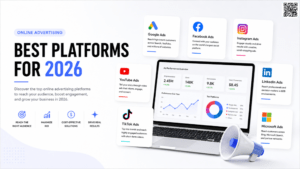
Top Online Advertising Platforms for 2026
1. Google Ads
Google Ads remains the leader in Online Advertising in 2026. Businesses using Google Ads should also focus on SEO authority because paid ads can bring fast traffic, but strong organic visibility helps build long-term trust and brand credibility. With billions of daily searches, it offers unmatched reach and targeting capabilities. Businesses can run search, display, video, and shopping ads across Google’s vast network.
Features:
- Keyword-based targeting for search intent.
- Smart bidding powered by AI.
- Integration with Google Analytics for performance tracking.
- Responsive search ads that adapt to user queries.
Benefits:
- High visibility on the world’s largest search engine.
- Flexible budget options for all business sizes.
- Detailed reporting and conversion tracking.
Costs:
Google Ads operates on a pay-per-click (PPC) model. The average cost per click varies by industry, ranging from $0.50 to $5.00. In competitive sectors like finance or law, costs can exceed $10 per click.
Best Practices:
- Use long-tail keywords for better targeting.
- Optimize landing pages for conversions.
- Regularly test ad copy and visuals.
- Leverage remarketing to re-engage visitors.
2. Meta Ads (Facebook and Instagram)
Meta Ads continues to be a dominant force in Online Advertising. With billions of active users across Facebook and Instagram, it offers powerful audience targeting and creative flexibility.
Features:
- Advanced demographic and interest-based targeting.
- Dynamic ads for personalized product recommendations.
- Integration with WhatsApp and Messenger for direct engagement.
- AI-driven campaign optimization.
Benefits:
- Strong visual storytelling through images and videos.
- Access to multiple platforms under one dashboard.
- High engagement rates for lifestyle and retail brands.
Costs:
The average cost per click on Meta Ads ranges from $0.50 to $2.00, depending on the audience and competition. Video ads and carousel formats may cost slightly more but often yield higher engagement.
Best Practices:
- Use high-quality visuals and short videos.
- Test different ad formats to find what resonates.
- Utilize lookalike audiences for expansion.
- Monitor frequency to avoid ad fatigue.
3. TikTok Ads
TikTok has revolutionized Online Advertising with its short-form video content and viral trends. In 2026, TikTok Ads are a must for brands targeting younger audiences and creative communities.
Features:
- In-feed ads that blend seamlessly with user content.
- Branded hashtag challenges for viral engagement.
- Spark Ads that amplify organic content.
- Advanced AI targeting based on user behavior.
Benefits:
- High engagement and shareability.
- Strong influence among Gen Z and Millennials.
- Creative freedom for storytelling.
Costs:
TikTok Ads typically cost between $0.10 and $1.00 per click. Brand takeovers and hashtag challenges can cost significantly more, depending on reach and duration.
Best Practices:
- Focus on authentic, entertaining content.
- Collaborate with influencers for credibility.
- Use trending sounds and hashtags.
- Keep videos short and impactful.
4. LinkedIn Ads
For B2B marketers, LinkedIn Ads remains one of the most effective Online Advertising platforms in 2026. It allows precise targeting based on job titles, industries, and company sizes.
Features:
- Sponsored content, InMail, and lead generation forms.
- Audience segmentation by professional criteria.
- Integration with CRM systems for lead tracking.
- AI-driven campaign optimization.
Benefits:
- Access to decision-makers and professionals.
- High-quality leads for B2B campaigns.
- Strong credibility and trust factor.
Costs:
LinkedIn Ads are generally more expensive, with CPCs ranging from $3 to $8. However, the higher cost is justified by the quality of leads and conversion potential.
Best Practices:
- Use clear, professional visuals.
- Offer valuable content like whitepapers or webinars.
- Test different ad formats for engagement.
- Optimize for lead generation rather than clicks.
5. YouTube Ads
YouTube remains a powerhouse in Online Advertising, offering massive reach through video content. In 2026, YouTube Ads are more interactive and personalized than ever.
Features:
- Skippable and non-skippable video ads.
- Interactive elements like polls and CTAs.
- Integration with Google Ads for unified management.
- Advanced audience targeting based on watch history.
Benefits:
- High engagement through visual storytelling.
- Access to billions of monthly viewers.
- Strong brand recall and awareness.
Costs:
YouTube Ads typically cost between $0.05 and $0.30 per view. Costs vary based on targeting, ad length, and competition.
Best Practices:
- Capture attention in the first 5 seconds.
- Use subtitles for accessibility.
- Include clear calls to action.
- Retarget viewers who engaged with previous videos.
6. Amazon Ads
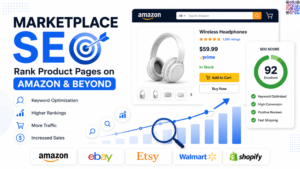
Amazon Ads continues to grow as a major player in Online Advertising, especially for e-commerce brands. For brands selling products online, marketplace advertising is important because platforms like Amazon help businesses reach customers who are already ready to search, compare, and buy. In 2026, it offers advanced tools for product promotion and brand visibility.
Features:
- Sponsored Products, Brands, and Display Ads.
- Integration with Amazon DSP for programmatic buying.
- Detailed analytics on shopper behavior.
- Voice search optimization for Alexa devices.
Benefits:
- Direct access to purchase-ready audiences.
- High conversion rates for retail products.
- Seamless integration with Amazon storefronts.
Costs:
Amazon Ads operate on a CPC model, with costs ranging from $0.20 to $2.00 per click. Sponsored Brand campaigns may cost more but offer better visibility.
Best Practices:
- Optimize product listings with keywords.
- Use high-quality images and videos.
- Monitor performance and adjust bids.
- Combine ads with promotions for better results.
7. X (Formerly Twitter) Ads
X Ads remain relevant in 2026 for real-time engagement and trending topics. The platform’s rebranding has introduced new ad formats and improved targeting.
Features:
- Promoted tweets, trends, and accounts.
- Conversation ads for interactive engagement.
- AI-driven sentiment analysis for targeting.
- Integration with live events and broadcasts.
Benefits:
- Real-time audience interaction.
- Strong presence in news and entertainment sectors.
- Cost-effective for brand awareness.
Costs:
The average CPC on X Ads ranges from $0.50 to $3.00. Video and conversation ads may cost more but deliver higher engagement.
Best Practices:
- Use concise, impactful copy.
- Engage with trending hashtags.
- Respond to comments and mentions.
- Combine organic and paid strategies.
8. Pinterest Ads
Pinterest Ads are ideal for lifestyle, fashion, and home decor brands. In 2026, the platform’s visual search and shopping features make it a strong contender in Online Advertising.
Features:
- Promoted Pins and Shopping Ads.
- Visual search for product discovery.
- Integration with e-commerce platforms.
- Audience targeting based on interests and behavior.
Benefits:
- High purchase intent among users.
- Long ad lifespan due to evergreen content.
- Strong visual appeal for creative brands.
Costs:
Pinterest Ads cost between $0.10 and $1.50 per click. Shopping campaigns may have higher costs but yield strong ROI.
Best Practices:
- Use vertical images with clear branding.
- Optimize descriptions with keywords.
- Link directly to product pages.
- Create seasonal and trend-based boards.
9. Snapchat Ads
Snapchat Ads continue to thrive among younger audiences in 2026. The platform’s AR and interactive features make it a unique space for Online Advertising.
Features:
- Snap Ads, Story Ads, and AR Lenses.
- Location-based targeting.
- Integration with e-commerce for direct purchases.
- Advanced analytics for engagement tracking.
Benefits:
- High engagement through immersive experiences.
- Strong appeal to Gen Z audiences.
- Creative storytelling opportunities.
Costs:
Snapchat Ads cost around $0.50 to $3.00 per swipe-up. AR campaigns may cost more but deliver strong brand recall.
Best Practices:
- Use vertical video formats.
- Incorporate AR filters for interaction.
- Keep content fun and authentic.
- Target based on interests and locations.
10. Programmatic Advertising Platforms
Programmatic advertising automates the buying and selling of ad space using AI. In 2026, it remains a cornerstone of Online Advertising, offering efficiency and precision.
Features:
- Real-time bidding for ad placements.
- Cross-platform targeting.
- AI-driven optimization.
- Integration with data management platforms (DMPs).
Benefits:
- Efficient ad buying process.
- Access to multiple networks and audiences.
- Improved ROI through automation.
Costs:
Programmatic ads typically cost between $0.50 and $2.00 per thousand impressions (CPM). Costs vary based on targeting and inventory quality.
Best Practices:
- Use first-party data for targeting.
- Monitor performance regularly.
- Avoid low-quality placements.
- Combine with retargeting strategies.
Emerging Trends in Online Advertising for 2026
- AI-Powered Personalization: Ads are becoming more tailored to individual preferences using predictive analytics.
- Voice Search Advertising: With smart speakers and voice assistants, voice-based ads are gaining traction.
- Augmented Reality (AR) Ads: Interactive experiences enhance engagement and brand recall.
- Sustainability Messaging: Consumers prefer brands that promote eco-friendly values.
- Privacy-First Advertising: With stricter data regulations, transparency and consent are key.
Measuring Success in Online Advertising
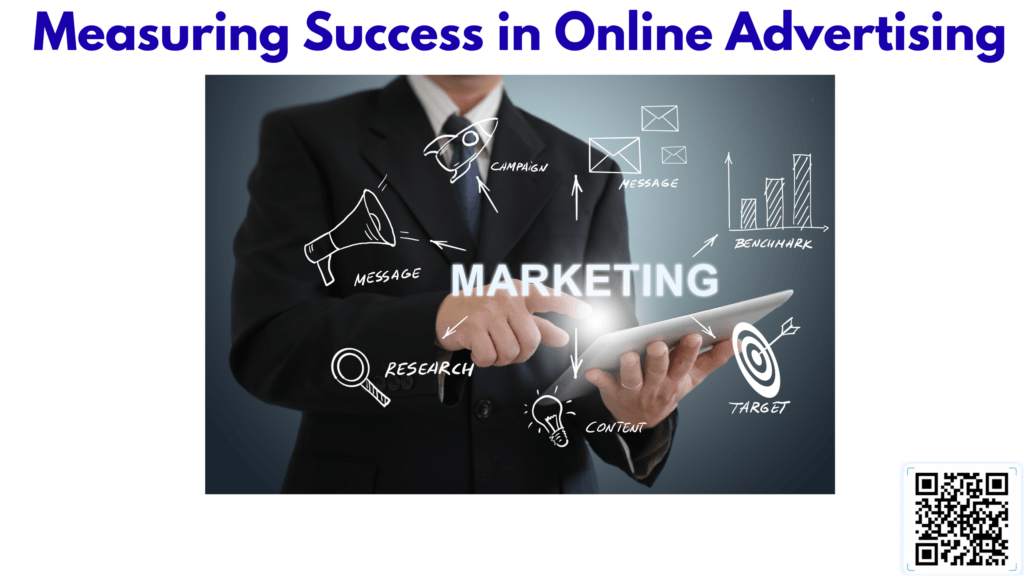
To ensure effective Online Advertising, businesses must track key performance indicators (KPIs) such as:
- Click-through rate (CTR)
- Conversion rate
- Cost per acquisition (CPA)
- Return on ad spend (ROAS)
- Engagement metrics (likes, shares, comments)
Using analytics tools helps identify what works and where improvements are needed.
Best Practices for Online Advertising in 2026
- Set Clear Goals: Define objectives like brand awareness, lead generation, or sales.
- Know the Audience: Use data to understand demographics and preferences.
- Test and Optimize: Continuously refine ad creatives and targeting.
- Leverage Automation: Use AI tools for bidding and performance optimization.
- Focus on Quality Content: Engaging visuals and storytelling drive better results.
- Ensure Mobile Optimization: Most users access ads via mobile devices.
- Respect Privacy: Follow data protection laws and maintain transparency.
The Future of Online Advertising
The future of Online Advertising in 2026 and beyond is driven by innovation, personalization, and ethical marketing. As AI and automation continue to evolve, advertisers will gain deeper insights into consumer behavior. This is why businesses should understand AI in advertising, because AI helps improve targeting, personalize campaigns, and reduce wasted ad budget. The integration of AR, VR, and voice technology will create immersive ad experiences. Brands that adapt to these changes and prioritize user experience will thrive in the competitive digital landscape.
1. Artificial Intelligence and Machine Learning
AI and machine learning are transforming Online Advertising by making campaigns smarter and more efficient. These technologies analyze massive amounts of data in real time to predict consumer preferences and deliver personalized messages.
Key impacts of AI in Online Advertising:
- Automated bidding and ad placement optimization.
- Predictive targeting based on user behavior and intent.
- AI-generated ad creatives tailored to audience segments.
- Real-time performance tracking and adjustment.
Machine learning also enables predictive targeting, allowing advertisers to anticipate future actions. For example, if a user searches for travel destinations, Online Advertising platforms can predict when they might book a trip and show relevant ads at the right time. This makes Online Advertising more efficient and less intrusive.
2. Blockchain Technology and Transparency
Blockchain is introducing transparency and trust into Online Advertising. It ensures that advertisers pay only for genuine engagement and helps eliminate fraud.
Benefits of blockchain in Online Advertising:
- Verifies ad impressions and clicks.
- Prevents fake traffic and bot activity.
- Records every transaction in the ad supply chain.
- Gives consumers more control over their data.
By using blockchain, Online Advertising becomes more accountable and secure, building stronger trust between brands and audiences.
3. The Rise of the Metaverse
The metaverse is becoming a new frontier for Online Advertising. Virtual worlds and digital spaces are opening up opportunities for immersive brand experiences.
Examples of metaverse advertising:
- Virtual stores where users can explore and shop.
- Sponsored digital concerts and events.
- Interactive product demos using avatars.
- Virtual try-ons for fashion and accessories.
In the metaverse, Online Advertising shifts from static banners to interactive experiences that engage users in real time. Brands that embrace this trend will stand out in the evolving digital landscape.
4. Privacy Regulations and Ethical Marketing
Privacy laws like GDPR and CCPA are reshaping Online Advertising. Consumers now demand transparency and control over their data.
How privacy affects Online Advertising:
- Advertisers must obtain clear user consent.
- Data collection practices must be transparent.
- Third-party cookies are being phased out.
- Contextual targeting is replacing invasive tracking.
Ethical marketing is becoming a competitive advantage. Brands that respect privacy and communicate openly about data use will earn greater trust and loyalty.
5. The Cookieless Future
As third-party cookies disappear, Online Advertising is entering a cookieless era. This shift challenges advertisers to find new ways to target and measure audiences.
Strategies for success in a cookieless world:
- Focus on first-party data collection.
- Use contextual targeting based on content relevance.
- Build direct relationships with customers.
- Leverage AI for predictive audience modeling.
The cookieless future encourages more transparent and user-friendly Online Advertising practices.
6. First-Party Data and Customer Relationships
First-party data is becoming the foundation of effective Online Advertising. Brands are collecting data directly from customers through loyalty programs, newsletters, and personalized experiences.
Advantages of first-party data:
- More accurate audience segmentation.
- Better personalization and targeting.
- Stronger customer trust and retention.
- Compliance with privacy regulations.
By owning their data, brands can create more meaningful and relevant Online Advertising campaigns.
7. Interactive and Immersive Ad Formats
Online Advertising is moving beyond static images and videos. Interactive formats encourage participation and create stronger emotional connections.
Popular interactive ad formats:
- Augmented reality (AR) filters and lenses.
- Shoppable videos with instant purchase options.
- Quizzes, polls, and gamified ads.
- 360-degree product experiences.
These formats make Online Advertising more engaging and memorable, turning passive viewers into active participants.
8. Sustainability and Green Advertising
Sustainability is becoming a key focus in Online Advertising. Consumers prefer brands that demonstrate environmental and social responsibility.
Trends in sustainable Online Advertising:
- Promoting eco-friendly products and services.
- Reducing data center energy consumption.
- Using green marketing messages.
- Supporting social and environmental causes.
Ethical and sustainable Online Advertising not only benefits the planet but also strengthens brand reputation and customer loyalty.
9. Predictions for the Next Five Years
The next phase of Online Advertising will be defined by innovation, intelligence, and integrity. Several trends are expected to shape the industry through 2030.
Predicted trends in Online Advertising:
- AI Integration: Hyper-personalized campaigns that adapt in real time.
- Voice and Visual Search: Optimization for new discovery methods.
- Metaverse Expansion: Virtual environments as mainstream ad channels.
- Privacy-First Strategies: Consent-based and contextual targeting.
- Entertainment Fusion: Ads blending seamlessly with digital content.
10. The Road Ahead
By 2030, Online Advertising will be more immersive, intelligent, and ethical than ever before. Consumers will expect ads that add value rather than interrupt experiences. Brands that embrace innovation, respect privacy, and focus on meaningful engagement will lead the next generation of digital marketing.
The future of Online Advertising is not just about technology, it’s about creating authentic connections in a digital world that values trust, transparency, and creativity.
Online Advertising: Best Platforms for 2026 FAQ
1. What is online advertising?
Online advertising means promoting your business, product, or service through digital platforms like Google, Facebook, Instagram, TikTok, YouTube, LinkedIn, and Amazon. Businesses use online ads to get traffic, leads, sales, app installs, or brand awareness.
2. What are the best online advertising platforms in 2026?
The best online advertising platforms in 2026 include Google Ads, Meta Ads, TikTok Ads, LinkedIn Ads, Amazon Ads, YouTube Ads, Microsoft Ads, Pinterest Ads, Reddit Ads, and programmatic ad platforms. Many 2026 guides still place Google, Meta, TikTok, LinkedIn, and Amazon among the strongest choices for businesses.
3. Which platform is best for search ads?
Google Ads is the best platform for search ads because people use Google when they are already searching for products, services, or answers. It is good for high-intent traffic, leads, and sales.
4. Which platform is best for social media advertising?
Meta Ads, which includes Facebook and Instagram, is one of the best platforms for social media advertising. It is useful for brand awareness, retargeting, product promotion, local businesses, and eCommerce campaigns.
5. Is TikTok Ads good for businesses in 2026?
Yes, TikTok Ads is good for businesses that want to reach younger audiences with short-form video content. It works well for fashion, beauty, apps, gadgets, food, lifestyle products, and viral brand campaigns.
6. Which ad platform is best for B2B companies?
LinkedIn Ads is best for B2B companies because it allows businesses to target people by job title, industry, company size, skills, and professional interests. It is useful for software, consulting, recruitment, education, and professional services.
7. Which platform is best for eCommerce advertising?
Amazon Ads, Google Shopping Ads, Meta Ads, and TikTok Ads are strong choices for eCommerce advertising. Amazon Ads is especially useful when people are already ready to buy products.
8. Are YouTube Ads still effective in 2026?
Yes, YouTube Ads are still effective because video content helps businesses explain products, build trust, and reach large audiences. YouTube is useful for tutorials, product reviews, brand awareness, and remarketing campaigns.
Conclusion
Online Advertising in 2026 offers endless opportunities for businesses to connect with audiences, build trust, and drive growth. From Google Ads to TikTok and programmatic platforms, each channel provides unique advantages. Success depends on choosing the right platform, crafting compelling content, and leveraging data-driven insights. As the digital world continues to evolve, mastering Online Advertising will remain essential for staying ahead in the marketplace.
In the fast-changing digital environment, staying updated with the latest Online Advertising trends is no longer optional, it is a necessity. Businesses that adapt quickly to new technologies, such as AI-driven targeting and immersive ad formats, gain a strong competitive advantage. Early adoption allows brands to reach audiences before markets become saturated, ensuring better visibility and engagement. Online Advertising continues to reward creativity, innovation, and consistency, making it one of the most powerful tools for long-term success. Now is the time for businesses to take action, explore new platforms, and invest in Online Advertising strategies that will shape their future growth and digital presence.