A Nepal business website in 2026 is no longer optional. It is the foundation of visibility, trust, and long-term growth. More than 93 percent of Nepalis use the internet daily, and most buying decisions now begin with a Google search. If your business does not appear online, you are invisible to a large part of your market.
From a tea shop in Ilam to a trekking agency in Pokhara, from a startup in Kathmandu to a factory in Biratnagar, every business now competes in a digital environment. The real question is no longer “Should I build a website?” The real question is, “Can my business survive without one?”
This article focuses only on one core idea: why your business needs a website in Nepal in 2026. It explains the benefits, real scenarios, search behavior trends, and competitive advantages in simple, clear language.
Nepal’s Digital Reality in 2026
Nepal is going through rapid digital growth. According to the Nepal Telecommunications Authority, internet penetration has crossed 90 percent in recent years. Affordable smartphones, expanding 4G networks, and early 5G expansion in major cities have changed how people search, shop, and connect.
Today’s Nepali consumer:
- Searches on Google before visiting a store
- Compares prices online
- Reads reviews before trusting a brand
- Prefers businesses with websites over those without
This change is permanent. Digital behavior is now normal behavior.
If your business does not have a website, customers may assume:
- You are not professional
- You are not established
- You are smaller than competitors
- You are harder to trust
That perception alone can cost you sales. To understand the latest web development trends and technologies in Nepal, read our Complete Guide to Web Development in Nepal.
Importance of a Business Website
1. Visibility on Google and Search Engines
Most buying journeys begin online. Customers search for services like “best hotel in Pokhara” or “IT company in Kathmandu” before contacting anyone. A website allows your business to appear in these search results. Without one, your competitors capture that traffic and those customers.
Being searchable means being discoverable. A website ensures your business is found when customers are actively looking.
2. Builds Trust and Credibility
A professional website makes your business look serious and established. When customers search your brand name and find a clean, informative website with contact details and services listed clearly, it builds confidence.
In contrast, if customers cannot find any official online presence, they may question your reliability. In today’s digital world, credibility starts online.
3. Works 24/7 for Your Business
A website enables customers to purchase from your business outside business hours. Unlike a physical store that closes at night, a website is always available. Customers can visit your site, read about your services, and send inquiries at any time.
This is especially important for businesses serving clients in different time zones, such as tourism companies, consultants, or online service providers. Your website continues working even when you are offline.
4. Expands Market Reach Beyond Location
A website removes geographic limits. A business in Ilam can reach customers in Kathmandu. A company in Biratnagar can serve clients in Pokhara or Chitwan.
With a website, you are not limited to walk-in customers. You can attract national and even international clients, opening new growth opportunities.
5. Strengthens Brand Authority
A website allows you to clearly explain who you are, what you offer, and why customers should choose you. By sharing detailed information, project portfolios, testimonials, or helpful articles, you position your business as knowledgeable and trustworthy.
Over time, this builds authority in your industry and helps customers feel confident choosing your services. Building authority online also requires demonstrating expertise and trustworthiness, which is why the principles of E-E-A-T (Experience, Expertise, Authoritativeness, and Trustworthiness) have become increasingly important for businesses seeking long-term digital success.
6. Full Ownership and Control
Social media platforms are controlled by third parties. Their algorithms change, reach can decrease, and accounts can be restricted.
A website, however, is fully owned by your business. You control the design, content, branding, and customer communication. It becomes a long-term digital asset that belongs entirely to you.
7. Supports All Marketing Efforts
Whether you use Facebook ads, Instagram promotions, or Google Ads, all marketing campaigns need a proper destination. A website serves as that destination.
Instead of sending customers to a social media page with limited information, you direct them to a structured platform where they can learn more, contact you easily, and take action.
8. Competitive Advantage in a Digital Economy
More Nepali businesses are going online each year. Companies that build strong digital foundations gain an edge over those that delay.
If two businesses offer similar services, the one with a professional website usually attracts more customers. Digital presence is now part of competitive strategy.
Real Examples of Business Websites From Nepal
Tourism in Pokhara
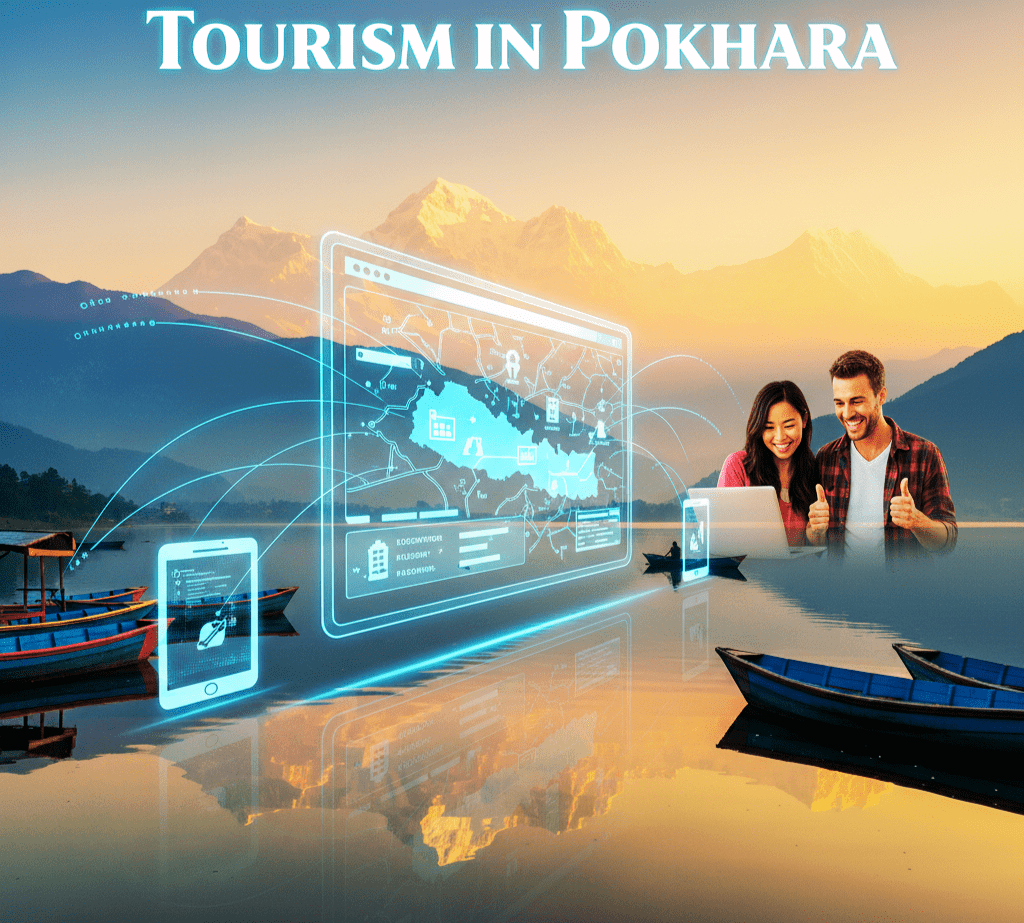
A hotel with a website offering room details, booking forms, and photo galleries attracts more direct bookings than one relying only on travel agents.
Direct bookings mean:
- Higher profit margins
- Stronger brand identity
- Repeat customers
Local Manufacturing in Biratnagar
A garment factory showcasing products online gains B2B contracts beyond its region.
Digital presence increases wholesale opportunities.
Agriculture in Chitwan
Organic product sellers build trust by explaining sourcing, quality, and benefits on their websites.
Customers prefer transparent businesses.
Tea Business in Ilam

A tea producer with an online catalog can reach international buyers who search for “Nepal tea supplier.”
Digital discovery creates export opportunities.
Business Website vs Social Media: Clear Comparison
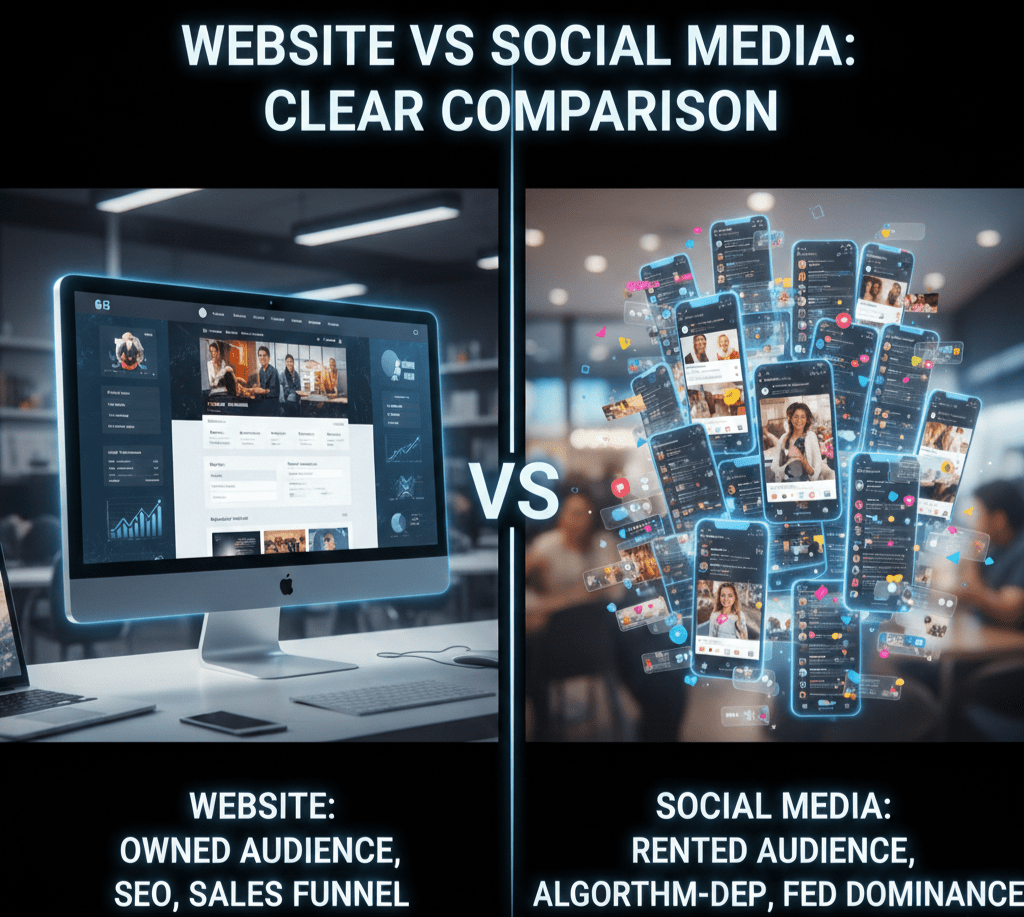
| Factor | Social Media | Website |
| Ownership | Platform controls | You control |
| Search Visibility | Limited | High on Google |
| Professionalism | Moderate | Strong |
| Customization | Limited | Full |
| Long-term Asset | No | Yes |
| Credibility | Lower | Higher |
Best strategy: Use social media to attract. Use a website to convert. To maximize website visibility and attract potential customers through search engines, businesses should focus on building strong digital authority through backlinks, media mentions, and strategic outreach.
Why 2026 Is the Critical Year

Several reasons make 2026 a turning point:
- Internet penetration is above 90 percent
- Smartphone usage is widespread
- Digital payment adoption is increasing
- Online consumer behavior is normal
- Competition is rising
Delaying digital presence now means falling behind faster than before.
The digital gap between businesses with websites and those without will grow wider.
Frequently Asked Questions (FAQ)
1. Is a website necessary if my business is small?
Yes. Small businesses benefit even more. A website increases visibility, builds trust, and allows local customers to find you easily.
2. Can I rely only on Facebook or Instagram?
Social media is helpful, but it is not a replacement for a website. You do not control those platforms. A website gives you ownership and stronger credibility.
3. Will a website really increase my sales?
If optimized properly, yes. When customers find your services through Google searches, you gain high-intent leads that are more likely to convert.
4. How long does it take to see results?
SEO results usually take a few months. However, having a website immediately improves credibility and customer confidence.
5. Is a website expensive?
Compared to traditional advertising or physical expansion, a website is cost-effective. It is a long-term investment, not a temporary expense.
6. Do customers in Nepal really search online before buying?
Yes. With high internet penetration and smartphone usage, most consumers check online before visiting businesses.
7. What happens if I do not build a website?
Your competitors gain visibility. You lose search traffic, online credibility, and long-term growth opportunities.
Conclusion
In 2026, a business in Nepal without a website is operating at a serious disadvantage. As digital adoption continues to grow across the country under the oversight of the Nepal Telecommunications Authority, consumers now depend on online searches to discover products, compare services, and evaluate credibility before making decisions. A professional website ensures your business appears where customers are already looking. It strengthens trust, improves brand image, and allows you to compete not only locally but nationally and globally. Unlike social media platforms, a website is a long-term digital asset that you fully control. It supports marketing, increases visibility, and creates consistent opportunities for growth. In a fast-moving digital economy, having a website is no longer an advantage it is the foundation of sustainable business success in Nepal.
For businesses and aspiring entrepreneurs who want to build a strong online presence, Code in Nepal offers practical resources and training in website development, SEO, and digital marketing to help you succeed in the digital market.