Cart abandonment remains one of the most persistent challenges in e-commerce. Despite technological advancements and improved user experiences, the average cart abandonment rate across industries still hovers around 70%. In 2026, as online shopping continues to evolve with AI-driven personalization, mobile-first design, and omnichannel experiences, understanding and addressing cart abandonment is more critical than ever. This guide explores the causes, data-backed insights, and modern strategies to recover lost sales effectively while maintaining a readability level suitable for a broad audience.
Understanding Cart Abandonment
What Is Cart Abandonment?
Cart abandonment occurs when a customer adds items to an online shopping cart but fails to complete a purchase. It represents a lost opportunity for revenue and a signal that something in the buying process discouraged the customer from finalizing the transaction.
The 2026 E-Commerce Landscape
By 2026, e-commerce has become more competitive and customer-centric. Shoppers expect seamless experiences, instant support, and flexible payment options. However, even with these advancements, cart abandonment continues to plague online retailers. The reasons are multifaceted ranging from unexpected costs to complex checkout processes and lack of trust.
Key Statistics
- The global average cart abandonment rate in 2026 is approximately 69.8%.
- Mobile users abandon carts 15% more frequently than desktop users.
- 58% of shoppers abandon carts due to unexpected shipping costs.
- 37% leave because they were just browsing or comparing prices.
- 26% abandon due to complicated checkout processes.
These numbers highlight the importance of optimizing every stage of the customer journey to minimize friction and maximize conversions.
Common Causes of Cart Abandonment

- Unexpected Costs: Hidden fees, taxes, or high shipping costs are the top reasons customers abandon their carts.
- Complicated Checkout Process: A lengthy or confusing checkout process discourages buyers.
- Mandatory Account Creation: Forcing users to create an account before purchasing adds friction.
- Limited Payment Options: In 2026, customers expect diverse payment methods, including digital wallets and cryptocurrency.
- Security Concerns: Lack of visible security badges or SSL certificates can deter purchases.
- Poor Mobile Experience: A poorly optimized mobile site can lead to frustration and abandonment.
- Slow Website Performance: A delay of even one second can reduce conversions by up to 7%.
- Lack of Trust or Social Proof: Without reviews or testimonials, hesitation increases.
The Psychology Behind Cart Abandonment

Understanding the psychological triggers behind cart abandonment helps businesses design better recovery strategies.
- Fear of Commitment: Shoppers hesitate due to uncertainty about product quality or necessity.
- Decision Fatigue: Too many choices can overwhelm customers.
- Loss Aversion: Highlighting limited-time offers or low stock levels can encourage faster decisions.
- Instant Gratification: Delays in shipping or unclear delivery timelines can discourage purchases.
- Paradox of Choice: Simplified product recommendations can reduce hesitation.
- Cognitive Dissonance: Shoppers may second-guess their decisions after adding items to the cart. Addressing this through reassurance messages or satisfaction guarantees can help.
Proven Tactics to Recover Abandoned Carts in 2026

1. Simplify and Personalize the Checkout Experience
A streamlined checkout process is the foundation of cart recovery. Reduce unnecessary steps, enable guest checkout, and use AI-driven autofill to minimize friction. Personalization tools can display relevant payment methods or shipping options based on user behavior, making the process feel tailored and effortless.
Key Enhancements:
- Use progress indicators to show checkout completion stages.
- Offer one-click checkout for returning customers.
- Save cart data across devices for seamless cross-platform experiences.
2. Use Smart Retargeting and Recovery Campaigns
Retargeting ads and recovery emails remain powerful tools. In 2026, AI segmentation allows businesses to deliver hyper-personalized messages. Combine email, SMS, and push notifications to remind users of their abandoned carts. Include product images, urgency cues, and incentives like free shipping or loyalty points.
Example Workflow:
- Email 1 (1 hour later): Reminder of items left in the cart.
- Email 2 (24 hours later): Offer a small incentive.
- Email 3 (48 hours later): Create urgency with limited-time offers.
- SMS Reminder (72 hours later): “Your cart is waiting! Complete your order and enjoy free shipping.”
3. Offer Transparent Pricing and Flexible Payments
Transparency builds trust. Display all costs upfront, including taxes and shipping. Offer multiple payment options credit cards, digital wallets, BNPL services, and cryptocurrency. Flexible payment methods reduce friction and appeal to a wider audience.
Example:
“Shipping and taxes included no hidden fees.”
4. Build Trust Through Social Proof and Security
Trust is a major factor in purchase decisions. Display SSL certificates, secure payment icons, and verified reviews. Highlight customer testimonials and user-generated content near the checkout page. A visible return policy and satisfaction guarantee can further reassure hesitant buyers.
Example:
“Over 10,000 verified customers trust our store.”
Building trust plays a major role in reducing cart abandonment, which aligns with the principles discussed in E-E-A-T 2026: Practical Steps to Build Trust, where credibility, transparency, and user confidence directly influence conversion rates.
5. Leverage AI and Predictive Analytics
AI can predict when a user is likely to abandon their cart and trigger proactive interventions. For example, if a shopper hesitates on the payment page, an AI chatbot can offer assistance or a small incentive. Predictive analytics also help identify high-risk abandoners and personalize recovery strategies.
Example:
AI can detect hesitation and display a message like, “Need help? Chat with us or enjoy 5% off your order.”
Advanced Strategies for 2026 and Beyond

1. Gamified Checkout Experiences
Gamification adds engagement and excitement to the checkout process. Examples include spin-to-win discounts, progress bars with rewards, or surprise gifts for completing purchases. These small incentives can significantly increase completion rates.
Example:
“Complete your purchase to unlock a mystery reward!”
2. Subscription and Reorder Options
For consumable or repeat-purchase products, offering subscription options reduces abandonment by simplifying future purchases. Automated reorders ensure convenience and customer retention.
Example:
“Subscribe and save 10% on every order.”
3. Voice and Chat-Based Checkout
Voice commerce is growing rapidly. Integrating voice assistants or chat-based checkout options allows customers to complete purchases hands-free, reducing friction and improving accessibility.
Example:
“Alexa, complete my order from GreenMart.”
4. Social Commerce Integration
In 2026, social media platforms like Instagram, TikTok, and Pinterest have integrated shopping features. Allowing users to complete purchases directly within these apps minimizes abandonment caused by redirection to external sites.
Example:
“Shop directly from our TikTok video no redirects!”
5. Sustainability and Ethical Shopping
Consumers are increasingly conscious of sustainability. Highlighting eco-friendly packaging, ethical sourcing, and carbon-neutral shipping can reduce abandonment among environmentally aware shoppers.
Example:
“Your order supports carbon-neutral delivery.”
Enhancing the Post-Abandonment Experience
1. Personalized Follow-Up Content
Instead of sending generic reminders, use personalized content that adds value. For example, send styling tips, product care guides, or complementary product suggestions.
Example:
“Here’s how to style your new jacket complete your purchase today!”
2. Loyalty and Reward Programs
Encourage customers to complete purchases by offering loyalty points or exclusive discounts.
Example:
“Earn 200 points when you complete your order today.”
3. Customer Feedback Loops
Ask customers why they abandoned their carts. Use surveys or feedback popups to gather insights and improve the checkout experience.
Example:
“What stopped you from completing your purchase? Help us improve!”
4. Post-Recovery Engagement
Once a customer completes a recovered purchase, continue engagement through thank-you emails, personalized recommendations, and loyalty offers. This builds long-term relationships and reduces future abandonment.
Measuring Cart Abandonment Recovery Success
Key Metrics to Track
- Cart Abandonment Rate (CAR):
(Abandoned Carts ÷ Initiated Carts) × 100
- Cart Recovery Rate (CRR):
(Recovered Carts ÷ Abandoned Carts) × 100
- Email Open and Click Rates:
Measure engagement with recovery campaigns.
- Conversion Rate Post-Recovery:
Track how many recovered carts lead to completed purchases.
- Average Order Value (AOV):
Evaluate whether recovery tactics increase order size.
- Customer Lifetime Value (CLV):
Assess how recovered customers contribute to long-term revenue.
- Time to Recovery:
Measure how quickly abandoned carts are recovered after initial abandonment.
Future Trends in Cart Abandonment Recovery
AI-Powered Predictive Recovery
AI will continue to evolve, predicting abandonment before it happens and triggering proactive interventions. Machine learning models will analyze browsing patterns, dwell time, and hesitation signals to deliver real-time solutions.
Voice Commerce Optimization
As voice assistants become more integrated into shopping, optimizing for voice-based transactions will reduce friction. Voice-enabled checkout will allow customers to confirm purchases verbally, improving accessibility.
Augmented Reality (AR) Shopping
AR allows customers to visualize products in real environments, reducing uncertainty and abandonment. Retailers using AR see up to 30% higher conversion rates.
Blockchain for Secure Payments
Blockchain technology enhances transparency and security, addressing trust-related abandonment issues. Smart contracts can automate refunds and build confidence in transactions.
Hyper-Personalized Marketing
Data-driven personalization will enable brands to deliver unique experiences tailored to each shopper’s preferences and behaviors. Predictive personalization will anticipate needs before customers express them.
Omnichannel Cart Synchronization
In 2026, customers often browse on one device and purchase on another. Synchronizing carts across devices ensures continuity and reduces abandonment caused by lost sessions.
Emotional AI in E-Commerce
Emotional AI can detect user sentiment through facial recognition or text analysis. If frustration or hesitation is detected, the system can adjust messaging or offer assistance instantly.
These future advancements in cart abandonment recovery build upon the foundation of modern digital systems and user experience strategies, as explored in Headless CMS 2026: Revolutionize Your Code & Content Globally, where scalable architecture enables real-time personalization, omnichannel syncing, and AI-driven customer journeys.
The Role of Customer Experience in Reducing Abandonment

1. Emotional Connection
Building emotional connections through storytelling and brand authenticity can reduce abandonment. Customers who feel emotionally connected to a brand are 60% more likely to complete purchases.
2. Seamless Navigation
A clutter-free interface with intuitive navigation helps users find what they need quickly. Clear CTAs and minimal distractions keep users focused on completing their purchase.
3. Real-Time Assistance
Live chat and AI chatbots provide instant support, addressing concerns before they lead to abandonment. Integrating chatbots with CRM systems ensures personalized responses.
4. Post-Purchase Support
Providing excellent post-purchase support encourages repeat business and reduces future abandonment. Follow-up emails, easy returns, and proactive communication build trust.
The Economics of Cart Abandonment
Cart abandonment doesn’t just represent lost sales it has a ripple effect across multiple areas of business performance, including marketing ROI, inventory management, and customer acquisition costs.
Lost Revenue: Every abandoned cart represents potential income that never materializes. When customers leave before completing a purchase, the business loses not only immediate revenue but also potential repeat sales and referrals that could have followed.
Increased Acquisition Costs: Companies invest heavily in advertising, SEO, and promotions to attract visitors. When those visitors abandon their carts, the cost per acquisition rises because fewer of them convert into paying customers.
Inventory Inefficiency: Abandoned items can distort demand forecasting. When products sit in virtual carts without being purchased, it becomes difficult to predict actual inventory needs, leading to overstocking or stockouts.
Brand Perception: A high abandonment rate can signal a poor user experience. Complicated checkouts, hidden fees, or slow websites can frustrate customers, damaging brand reputation and reducing trust.
Reducing cart abandonment not only improves profitability but also enhances overall digital experience, aligning with inclusive UX principles discussed in Accessibility as Growth: Wider Reach Through Inclusive Design, where removing barriers directly improves conversion rates across all user segments.
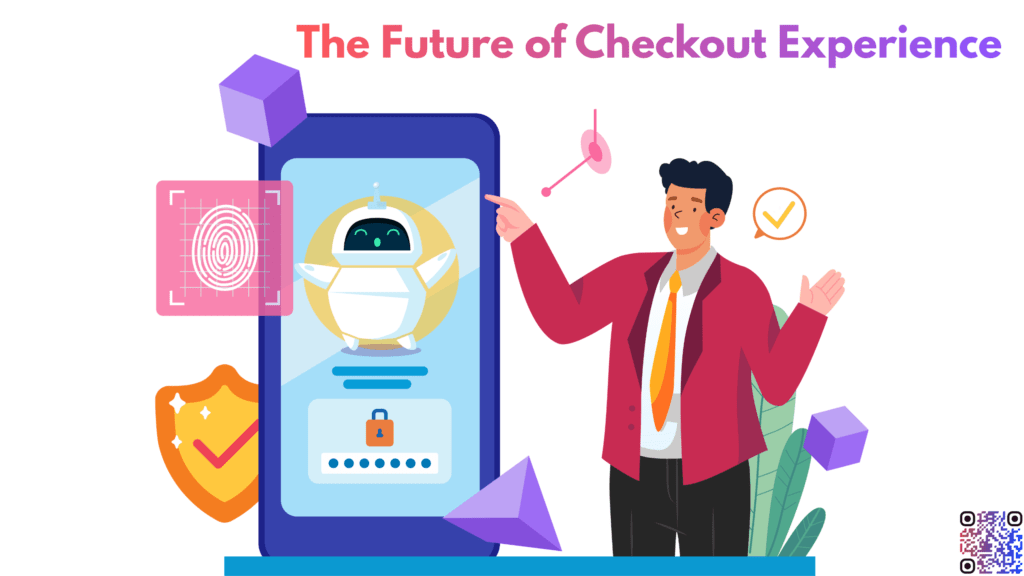
The Future of Checkout Experience
1. Frictionless Payments
The future of checkout lies in invisible payments transactions that happen automatically through saved credentials or biometric authentication.
2. Biometric Authentication
Fingerprint and facial recognition technologies are becoming standard in 2026, offering secure and fast checkout experiences.
3. Cross-Border Commerce
Global e-commerce growth demands localized payment options, currency conversions, and multilingual support to reduce abandonment in international markets.
4. AI-Powered Customer Journey Mapping
AI tools can map customer journeys in real time, identifying friction points and optimizing checkout flows dynamically.
5. Predictive Customer Support
Predictive analytics can identify when a customer might need help and proactively offer assistance before abandonment occurs.
Case Studies: Successful Cart Recovery Strategies
Case Study 1: Fashion Retailer Boosts Recovery by 35%
A global fashion brand implemented AI-driven cart recovery emails with personalized product recommendations. Within three months, recovery rates increased by 35%, and customer satisfaction improved significantly.
Case Study 2: Electronics Store Reduces Abandonment by 22%
By simplifying the checkout process and adding multiple payment options, an electronics retailer reduced abandonment rates by 22% and increased mobile conversions by 18%.
Case Study 3: Subscription Service Increases Retention
A subscription-based company used behavioral triggers and SMS reminders to recover 40% of abandoned carts, improving overall retention rates.
Case Study 4: Home Décor Brand Uses AR to Reduce Abandonment
A home décor retailer integrated AR visualization tools, allowing customers to preview furniture in their homes. This reduced uncertainty and decreased abandonment by 28%.
Case Study 5: Health & Wellness Brand Implements Predictive AI
A wellness brand used predictive AI to identify customers likely to abandon their carts. By offering personalized discounts before checkout, they reduced abandonment by 31% and increased repeat purchases by 19%.
Best Practices for 2026

- Prioritize mobile-first design.
- Use AI for predictive analytics and personalization.
- Maintain transparency in pricing and policies.
- Offer flexible payment and shipping options.
- Continuously test and optimize checkout flows.
- Integrate omnichannel recovery strategies.
- Focus on trust, speed, and convenience.
- Leverage social commerce and voice technology.
- Highlight sustainability and ethical practices.
- Use data-driven insights to refine recovery campaigns.
The Human Element in Cart Recovery
While automation and AI dominate the e-commerce landscape, the human element remains vital in building trust and emotional connection. Technology can streamline processes, but genuine human understanding creates loyalty. Personalized customer service, empathetic communication, and authentic brand storytelling bridge the emotional gap that automation alone cannot fill.
Empathy in Messaging: Recovery messages should feel supportive rather than sales-driven. Acknowledging customer hesitation, such as uncertainty about product fit, price, or timing shows understanding. Phrases that reassure, offer help, or highlight flexible return policies can make customers feel respected and valued, increasing the likelihood of conversion.
Humanized Chatbots: AI chatbots designed with natural language and emotional intelligence can simulate human conversation. Instead of robotic responses, they use friendly tones, personalized greetings, and context-aware suggestions. This approach makes interactions feel more genuine, helping customers overcome doubts or confusion during checkout.
Community Building: Encouraging customers to join brand communities fosters belonging and trust. Online groups, loyalty programs, and social media communities allow customers to share experiences, reviews, and feedback. When shoppers feel part of a community, they are more likely to complete purchases and remain loyal to the brand.
Looking beyond cart recovery, broader digital strategy trends such as Omnichannel Marketing: Blend Online-Offline 2026 ensure a consistent user experience across platforms, reducing drop-offs caused by channel switching.
Frequently Asked Question(FAQ)

1. What is cart abandonment?
Cart abandonment happens when a user adds products to their online shopping cart but leaves the website without completing the purchase.
2. Why do customers abandon carts in 2026?
Common reasons include high shipping costs, complicated checkout processes, lack of payment options, slow website speed, and last-minute hesitation.
3. How can I reduce cart abandonment rates?
You can reduce abandonment by simplifying checkout, offering guest checkout, showing transparent pricing, improving site speed, and adding trust signals like reviews and secure payment badges.
4. Do cart recovery emails still work in 2026?
Yes. Personalized and timely email reminders remain one of the most effective ways to recover abandoned carts, especially when combined with discounts or urgency triggers.
5. What is the best time to send cart recovery emails?
The best results usually come from sending the first email within 1 hour, followed by reminders at 24 hours and 72 hours.
6. Can SMS or WhatsApp help recover abandoned carts?
Yes. SMS and WhatsApp messages often have higher open rates than email and can significantly boost recovery when used responsibly and not spammed.
7. Do discounts help recover abandoned carts?
Yes, but they should be used strategically. Offering small, time-limited discounts can convert hesitant buyers without harming your profit margins.
8. How important is website speed in cart abandonment?
Very important. Even a 1–3 second delay in loading time can increase abandonment rates significantly, especially on mobile devices.
Conclusion
Cart abandonment is an inevitable part of e-commerce, but it doesn’t have to mean lost revenue. In 2026, businesses equipped with data-driven insights, AI-powered tools, and customer-centric strategies can recover a significant portion of abandoned carts. By understanding the reasons behind abandonment and implementing proven recovery tactics ranging from personalized emails to seamless mobile experiences brands can turn lost opportunities into loyal customers. The key lies in continuous optimization, transparency, and trust-building at every stage of the buyer’s journey.