Accessibility SEO helps brands reach a wider audience through inclusive design. Accessibility is no longer a niche concern or a compliance checkbox it is a strategic advantage. In the digital era, where competition for attention is fierce, inclusive design has emerged as a key driver of growth. By ensuring that digital products, websites, and services are accessible to everyone, organizations can expand their reach, improve user satisfaction, and strengthen brand reputation. Accessibility is not just about meeting legal standards; it is about creating equitable experiences that welcome all users, regardless of ability, age, or circumstance.
This article explores how accessibility fuels growth through inclusive design. It examines the business, ethical, and technological dimensions of accessibility, offering practical insights for organizations seeking to integrate inclusivity into their digital strategies. The discussion covers the principles of inclusive design, the economic benefits of accessibility, the role of technology, and actionable steps for implementation.
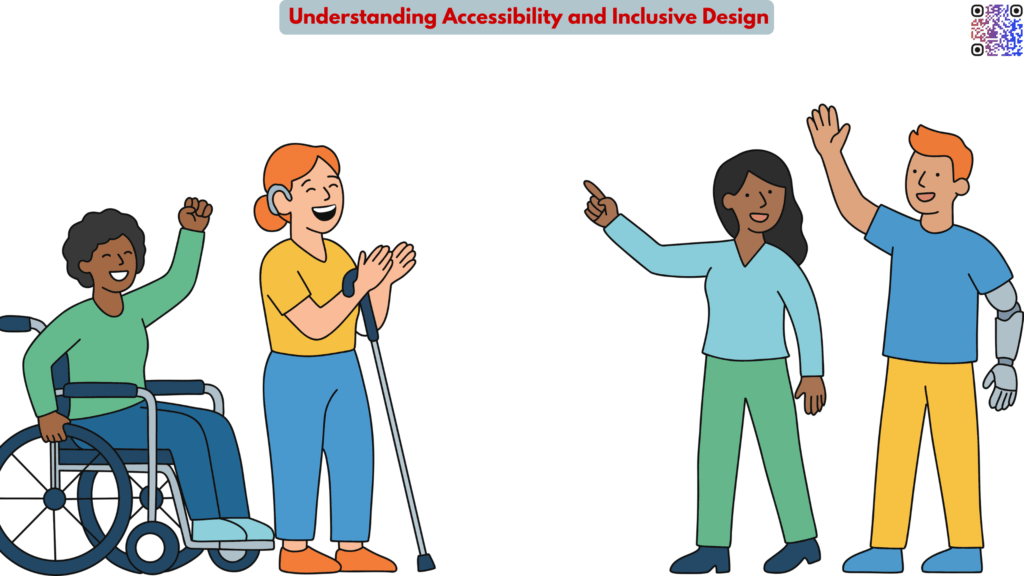
Understanding Accessibility and Inclusive Design
Defining Accessibility
Web accessibility means that people with disabilities can equally perceive, understand, navigate, and interact with websites and tools.. Accessibility SEO extends this concept by making content both usable and discoverable. It ensures that search engines can interpret accessible content correctly, improving visibility for users who rely on assistive technologies.
Accessibility is guided by standards such as the Web Content Accessibility Guidelines (WCAG), which provide measurable criteria for creating accessible digital experiences. These guidelines emphasize four key principles:
- Perceivable – Information and user interface components must be presented in ways that users can perceive.
- Operable – Interface elements must be usable through various input methods.
- Understandable – Content and operation must be clear and predictable.
- Robust – Content must be compatible with assistive technologies and future developments.
Defining Inclusive Design
Inclusive design anticipates diversity in user needs, preferences, and contexts. It goes beyond accessibility compliance by preventing barriers before they occur. Accessibility SEO supports inclusive design by ensuring that accessible content is also optimized for search engines. This dual approach ensures that users can find, access, and engage with content regardless of ability or device.
The Business Case for Accessibility

Expanding Market Reach
Globally, over one billion people live with some form of disability. When combined with aging populations and temporary impairments, the number of individuals who benefit from accessible design grows significantly. By ignoring accessibility, businesses effectively exclude a large segment of potential customers.
Accessible design also benefits users with temporary impairments or situational limitations. Captioned videos, for instance, serve both people with hearing impairments and those browsing in noisy environments. Accessibility SEO ensures that such content is indexed and discoverable.
Enhancing Brand Reputation
Organizations that prioritize accessibility demonstrate social responsibility and empathy. This commitment strengthens brand reputation and fosters customer loyalty. Consumers increasingly favor brands that align with inclusive values. Accessibility signals that a company cares about all users, not just the majority.
Positive brand perception can translate into measurable business outcomes. Accessible websites often receive favorable media coverage, attract partnerships, and gain recognition through accessibility awards. Conversely, neglecting accessibility can lead to reputational damage, especially when users publicly share negative experiences.
Improving SEO and Digital Performance
Accessibility and search engine optimization (SEO) share common goals. Both aim to make content understandable and navigable. Features such as descriptive alt text, semantic HTML, and clear heading structures improve accessibility while enhancing search visibility. Search engines reward websites that provide better user experiences, including those optimized for accessibility.
Accessible websites also tend to load faster, reduce bounce rates, and increase dwell time all of which are important ranking factors. By integrating Accessibility SEO, organizations can enhance both user experience and search performance simultaneously. Inclusive and accessible design also strengthens user trust, which connects closely with the principles discussed in E-E-A-T 2026: Practical Steps to Build Trust.
Reducing Legal and Financial Risks
Accessibility laws such as the ADA and the European Accessibility Act require digital compliance. Accessibility SEO helps organizations meet these standards while improving discoverability. Proactive optimization reduces the risk of lawsuits and the cost of retrofitting inaccessible systems. It is more efficient to build accessibility and SEO together from the start.
Inclusive Design as a Growth Strategy

Designing for Diversity
Inclusive design begins with understanding diversity. Users differ in physical abilities, cognitive styles, cultural backgrounds, and technological access. Designing for this diversity requires empathy and research. User testing with people of varied abilities provides insights that traditional usability testing might overlook.
For instance, designing a mobile app with high-contrast color schemes benefits users with low vision and those using devices in bright sunlight. Similarly, providing multiple input methods such as voice commands, touch, and keyboard shortcuts accommodates different user preferences and abilities.
Innovation Through Constraints
Accessibility challenges often lead to innovation. Many mainstream technologies voice assistants, predictive text, and gesture controls originated from accessibility research. Accessibility SEO encourages similar innovation by combining technical optimization with human-centered design. The result is content that is both discoverable and delightful to use.
By embracing inclusive design, organizations foster innovation that extends beyond accessibility. The process encourages teams to think differently, question assumptions, and explore new possibilities.
Enhancing User Experience
Accessibility SEO enhances user experience by making content easier to navigate, read, and understand. Features like logical structure, consistent layouts, and descriptive links benefit all users. When accessibility and SEO align, users stay longer, engage more, and convert at higher rates.
The Economic Impact of Accessibility SEO

The Disability Market
Accessibility SEO ensures compatibility with assistive technologies like screen readers, magnifiers, and voice recognition software. Proper use of ARIA labels, alt text, and semantic HTML helps search engines and assistive tools interpret content accurately.
Aging Populations
As populations age, accessibility becomes increasingly relevant. Older adults often experience changes in vision, hearing, mobility, and cognition. Designing for accessibility ensures that digital experiences remain usable across life stages. This demographic shift makes accessibility not just a moral imperative but an economic necessity.
Inclusive Employment and Productivity
Accessibility SEO also applies internally. Accessible digital tools and intranets improve employee productivity and engagement. When internal systems are optimized for accessibility and searchability, employees can find information faster and work more efficiently.
Accessibility and Economic Resilience
Accessible businesses are more resilient during crises. For example, during the COVID-19 pandemic, organizations with accessible digital platforms were better equipped to serve customers remotely. Accessibility ensures continuity by enabling flexible, digital-first engagement. It also supports remote work, online education, and telehealth sectors that have become essential to modern economies.
Accessibility as a Competitive Advantage
In competitive markets, Accessibility SEO differentiates brands. When two websites offer similar content, the one that is both accessible and optimized will rank higher and attract more users. Accessibility SEO builds trust, loyalty, and long-term growth. In highly competitive markets, accessibility can also amplify brand visibility and authority, similar to the strategies explained in Digital PR Strategies That Boost SEO Authority.
Technology and Accessibility SEO
Assistive Technologies
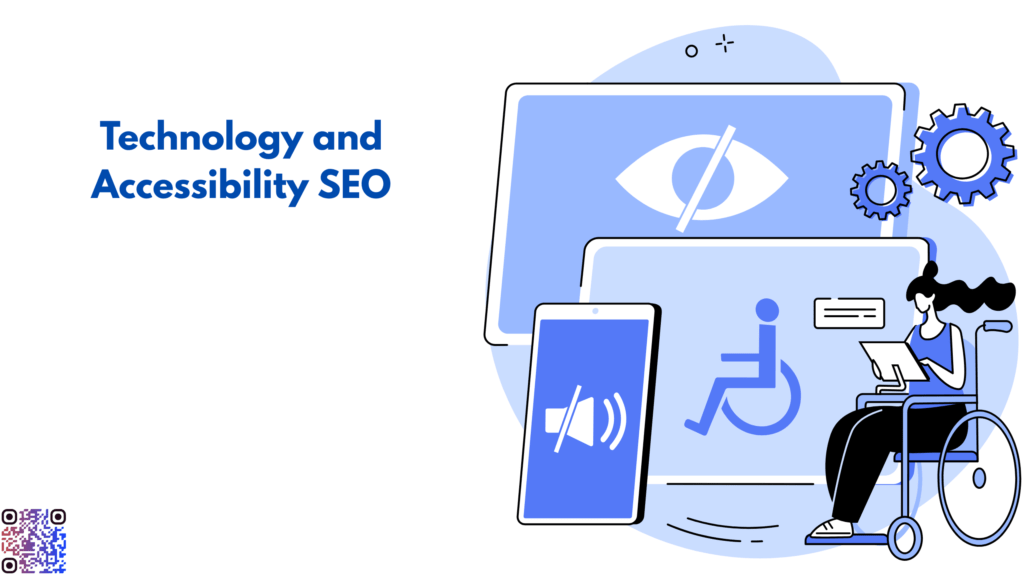
Accessibility SEO ensures compatibility with assistive technologies like screen readers, magnifiers, and voice recognition software. Proper use of ARIA labels, alt text, and semantic HTML helps search engines and assistive tools interpret content accurately.
For example, ensuring that web elements have proper labels and roles allows screen readers to interpret content accurately. Similarly, providing keyboard navigation ensures that users who cannot use a mouse can still operate interfaces effectively.
Artificial Intelligence and Automation
AI enhances Accessibility SEO by automating tasks like captioning, image description, and accessibility testing. Machine learning can identify accessibility issues and suggest SEO improvements simultaneously. However, human oversight remains essential to ensure accuracy and empathy.
However, AI must be implemented responsibly. Automated solutions should complement, not replace, human judgment. Inclusive design requires continuous testing and feedback from real users to ensure accuracy and empathy.
Emerging Technologies
Emerging technologies such as virtual reality (VR), augmented reality (AR), and the Internet of Things (IoT) present new opportunities and challenges for accessibility. Designing accessible immersive experiences requires rethinking interaction models, sensory feedback, and spatial navigation.
For instance, VR environments can include audio cues and haptic feedback to assist users with visual impairments. AR applications can provide real-time translations or visual enhancements for users with cognitive or sensory differences. As technology evolves, accessibility must remain a core consideration.
Accessibility in Mobile and Wearable Devices
Accessibility SEO extends to mobile and wearable devices. Voice search optimization, responsive design, and adaptive text sizes improve both accessibility and SEO performance. These features make digital experiences seamless across devices.
Implementing Accessibility SEO in Design and Development
Integrating Accessibility from the Start
Accessibility should be embedded in every stage of the design and development process. Early integration prevents costly redesigns and ensures consistency. Key steps include:
- Research and Empathy – Understand user needs through interviews, surveys, and accessibility audits.
- Design and Prototyping – Apply inclusive design principles, such as sufficient color contrast and flexible layouts.
- Development – Use semantic HTML, ARIA attributes, and responsive design techniques.
- Testing – Conduct accessibility testing with assistive technologies and diverse user groups.
- Iteration – Continuously refine based on feedback and evolving standards.
Building an Accessibility Culture
Accessibility SEO thrives in organizations that value inclusivity. Leadership support, training, and collaboration are key. Teams should understand how accessibility and SEO complement each other. Over time, this mindset becomes part of the brand’s identity.
Encouraging open dialogue about accessibility fosters awareness and accountability. Teams should celebrate accessibility successes and share lessons learned. Over time, accessibility becomes a natural part of the organizational mindset.
Measuring Accessibility SEO Success
Accessibility success can be measured through both qualitative and quantitative metrics. Key indicators include:
- Compliance with WCAG standards
- User satisfaction and feedback
- Reduced error rates and support requests
- Increased engagement and conversion rates
- Positive brand sentiment and media coverage
Regular audits and user testing ensure ongoing improvement. Accessibility is not a one-time project but a continuous journey.
Case Studies: Accessibility SEO in Action

Microsoft
Microsoft has made accessibility a core part of its mission. Features like the Seeing AI app, adaptive controllers, and built-in accessibility settings across Windows and Office demonstrate the company’s commitment. These innovations have expanded Microsoft’s user base and strengthened its reputation as a leader in inclusive technology.
Apple
Apple’s focus on accessibility has been integral to its success. VoiceOver, Switch Control, and Live Captions are examples of features that enhance usability for all users. By embedding accessibility into its ecosystem, Apple has cultivated loyalty among diverse audiences and set industry standards.
Airbnb
Airbnb’s inclusive design initiatives have improved both host and guest experiences. The company’s accessibility filters and inclusive imagery promote diversity and belonging. These efforts have broadened Airbnb’s market reach and reinforced its brand values.
Google’s accessibility efforts span across products like Android, Chrome, and YouTube. Features such as Live Transcribe, TalkBack, and automatic captioning have made digital content more inclusive. Google’s investment in accessibility research has also influenced global standards and inspired other companies to follow suit.
Overcoming Common Accessibility Challenges
Misconceptions About Cost
A common misconception is that accessibility is expensive. In reality, the cost of inaccessibility lost customers, legal risks, and retrofitting is far greater. Integrating accessibility early reduces expenses and increases long-term value.
Lack of Awareness
Many organizations overlook accessibility due to limited awareness. Education and training are crucial. Designers, developers, and decision-makers must understand accessibility principles and their impact on users.
Complexity of Standards
Accessibility standards can seem complex, but tools and resources simplify implementation. Automated testing tools, accessibility checklists, and community support make compliance achievable for teams of all sizes. Modern digital infrastructure and scalable content systems can also simplify accessibility implementation, as explained in Headless CMS 2026: Revolutionize Your Code & Content Globally.
Resistance to Change
Resistance often arises from misunderstanding or fear of added workload. Demonstrating the tangible benefits of accessibility, such as improved SEO, customer satisfaction, and innovation helps overcome resistance. Leadership endorsement and success stories can motivate teams to embrace inclusive practices.
Maintaining Accessibility Over Time
Accessibility is not static. As websites and applications evolve, new content and features can introduce barriers. Continuous monitoring, regular audits, and staff training ensure that accessibility remains consistent. Establishing accessibility champions within teams helps maintain focus and accountability.
The Future of Accessibility SEO and Inclusive Design

Accessibility as Innovation
The future of Accessibility SEO lies in innovation that connects technology with inclusivity. Voice search, AI-driven personalization, and adaptive interfaces will continue to make digital experiences more accessible and discoverable. As artificial intelligence evolves, it will help identify accessibility issues faster and suggest SEO improvements automatically. These innovations will not only enhance usability for people with disabilities but also improve overall search performance and user engagement.
Global Collaboration
Accessibility is a global movement. Collaboration among governments, organizations, and communities is essential to establish universal standards and share best practices. Open-source initiatives and cross-industry partnerships will accelerate progress.
Ethical and Sustainable Design
Accessibility aligns with broader goals of ethical and sustainable design. Inclusive products promote social equity and environmental responsibility. Designing for longevity and adaptability ensures that technology serves future generations.
Education and Policy Development
Education plays a vital role in shaping the future of accessibility. Integrating accessibility into design and computer science curricula ensures that future professionals understand its importance. Governments and institutions can further support accessibility through policies, incentives, and public awareness campaigns.
The Role of Data and Analytics
Data-driven insights can help organizations measure accessibility impact. Analytics tools can track how users with assistive technologies interact with content, revealing areas for improvement. By combining accessibility data with business metrics, companies can demonstrate the tangible return on investment of inclusive design.
FAQ: Accessibility as Growth – Wider Reach Through Inclusive Design

1. What is inclusive design?
Inclusive design is the practice of creating digital products, websites, and services that can be used by people of all abilities, ages, and backgrounds. It ensures everyone can access content and interact with technology comfortably.
2. Why is accessibility important for business growth?
Accessibility expands your audience reach by making your website usable for people with disabilities, older users, and users with temporary limitations. It also improves customer satisfaction, SEO performance, and brand trust.
3. How does accessibility improve SEO?
Accessible websites often have better structure, semantic HTML, descriptive alt text, and improved navigation. These practices help search engines understand content more effectively, which can improve rankings and visibility.
4. What are some common accessibility features?
Common accessibility features include:
- Alt text for images
- Keyboard navigation
- Screen reader compatibility
- Proper color contrast
- Captions for videos
- Clear headings and labels
- Responsive and readable layouts
5. Who benefits from accessible design?
Accessible design benefits everyone not just people with disabilities. Mobile users, elderly users, users with slow internet connections, and people in noisy or low-light environments also gain a better experience.
6. Can accessibility increase website conversions?
Yes. When users can easily navigate and understand a website, they are more likely to stay longer, engage with content, and complete actions such as purchases or sign-ups.
7. What is WCAG?
The World Wide Web Consortium Web Content Accessibility Guidelines (WCAG) are international standards that help developers create accessible digital experiences.
8. Is accessibility legally required?
In many countries, accessibility compliance is legally required for public websites and digital services. Regulations vary by region, but following accessibility standards helps reduce legal risks.
Conclusion
Accessibility SEO is not just a technical practice it is a growth engine. By merging accessibility with search optimization, organizations expand their reach, enhance user experience, and future-proof their digital presence. Accessibility SEO ensures that content is both inclusive and discoverable, connecting technology with humanity. In a world where visibility equals opportunity, Accessibility SEO is the bridge that ensures everyone can find, access, and benefit from digital innovation.
The path to accessibility begins with empathy and commitment. It requires integrating inclusive principles into every aspect of design, development, and strategy. As accessibility becomes a standard expectation, those who lead in inclusivity will define the future of digital growth.
Accessibility is growth. Inclusive design is the bridge that connects technology with humanity, ensuring that progress benefits everyone.