E-E-A-T 2026 helps you build trust, show expertise, and improve SEO visibility with practical, actionable strategies. Search engines have evolved far beyond keyword matching. In 2026, Google’s algorithms prioritize trust, authority, and user satisfaction more than ever. The concept of E-E-A-T—Experience, Expertise, Authoritativeness, and Trustworthiness—has become the foundation of modern SEO. It determines how content ranks, how users perceive brands, and how businesses sustain visibility in competitive digital spaces.
This guide explores practical, actionable steps to strengthen E‑E‑A‑T in SEO content. It focuses on building credibility, improving user experience, and aligning with Google’s quality standards. Each section provides strategies that can be implemented by content creators, marketers, and businesses aiming to enhance their online reputation and search performance.
What Is E‑E‑A‑T?
E-E-A-T stands for Experience, Expertise, Authoritativeness, and Trustworthiness. It is a framework used by Google’s Search Quality Raters to evaluate the quality of web content and the credibility of its creators. While it is not a direct ranking factor, it heavily influences how Google’s algorithms interpret and prioritize content.
1. Experience
Experience refers to the first hand involvement of the content creator with the subject matter. It answers the question: Has the author personally used, tested, or interacted with what they are writing about? For example, a product review written by someone who has actually used the product carries more weight than one written by someone summarizing other reviews.
2. Expertise
Expertise measures the depth of knowledge or skill demonstrated in the content. It focuses on whether the author is qualified to discuss the topic. In fields like health, finance, or law—known as “Your Money or Your Life” (YMYL) topics—expertise is especially critical because inaccurate information can have real‑world consequences.
3. Authoritativeness
Authoritativeness reflects how others perceive the content creator or website. It is built through recognition, citations, backlinks, and mentions from other credible sources. A website or author that is frequently referenced by reputable organizations is seen as an authority in its field.
4. Trustworthiness
Trustworthiness is the foundation of E‑E‑A‑T. It measures the reliability, transparency, and integrity of both the content and the website. Factors such as secure connections (HTTPS), clear authorship, accurate information, and honest representation all contribute to trust.
Why E‑E‑A‑T Matters in SEO
E‑E‑A‑T helps Google ensure that users receive accurate, reliable, and valuable information. In an era of misinformation and AI‑generated content, demonstrating E‑E‑A‑T is essential for maintaining credibility. Websites that consistently show strong E‑E‑A‑T signals are more likely to rank higher, attract loyal audiences, and build long‑term brand trust.
Understanding E-E-A-T in 2026
The Evolution of E-E-A-T
Originally introduced as E‑A‑T (Expertise, Authoritativeness, Trustworthiness), Google added Experience in 2022 to emphasize firsthand knowledge. By 2026, E‑E‑A‑T has become a central ranking factor in evaluating content quality. It reflects how well a page demonstrates real-world understanding, professional insight, and reliability.
The Four Pillars
- Experience: Demonstrates that the creator has personally used, tested, or interacted with the subject matter.
- Expertise: Shows deep knowledge or skill in a specific field, supported by credentials or proven results.
- Authoritativeness: Reflects recognition from others in the industry—citations, backlinks, and mentions.
- Trustworthiness: Indicates transparency, accuracy, and ethical content practices.
Building Experience: Showing Real‑World Insight
Share Firsthand Experiences
Content that reflects genuine experience resonates with readers and search engines. Include personal case studies, product tests, or real‑life examples. For instance, a travel blog should feature firsthand reviews of destinations rather than generic summaries.
Use Visual Proof
Images, videos, and screenshots validate experience. Demonstrating a process visually—such as a step‑by‑step tutorial or before‑and‑after comparison—enhances credibility and engagement.
Encourage User‑Generated Content
Invite customers or community members to share their experiences. Testimonials, reviews, and social media posts add authenticity and diversify perspectives.
Document Processes Transparently
Explain how data, research, or conclusions were reached. Transparency in methodology builds confidence and distinguishes genuine expertise from speculation.
Integrate Real‑World Scenarios
Use storytelling to connect with readers emotionally. Describing challenges, lessons learned, and outcomes makes content relatable and trustworthy.
Showcase Behind‑the‑Scenes Insights
Offering a glimpse into how products are made, how services are delivered, or how research is conducted adds depth and authenticity. Behind‑the‑scenes content demonstrates genuine involvement and builds emotional connection.
Demonstrating Expertise: Depth Over Volume
Highlight Author Credentials
Include author bios that showcase qualifications, certifications, or professional experience. Link to verified profiles such as LinkedIn or industry associations.
Use Data‑Driven Insights
Support claims with credible data, research studies, or official reports. Cite reputable sources and update statistics regularly to maintain accuracy.
Create Specialized Content
Focus on niche topics where expertise can shine. Instead of broad overviews, produce in‑depth guides, whitepapers, or tutorials that solve specific problems.
Collaborate with Industry Experts
Guest posts, interviews, and expert quotes enhance authority and demonstrate real industry involvement. Collaboration signals that your content is recognized and valued by professionals in the field, which strengthens E-E-A-T. This becomes especially important for e-commerce businesses where customer trust directly affects conversions. Read How to Start an E-commerce Website in Nepal for practical strategies to build a reliable and user-friendly online store.
Maintain Consistency Across Platforms
Ensure that expertise is reflected across all digital channels—websites, social media, and publications. Consistent messaging reinforces credibility.
Develop Author Entities
Google increasingly associates content with verified author entities. Building a strong author profile with consistent publication history, credentials, and citations helps search engines connect expertise to individuals.
Provide Educational Value
Offer actionable takeaways, frameworks, or templates that help readers apply knowledge. Educational content demonstrates mastery and builds trust through usefulness.
Establishing Authoritativeness: Recognition and Reputation
Earn High‑Quality Backlinks
Backlinks from reputable websites act as endorsements. Focus on earning links through valuable content, partnerships, and digital PR rather than link exchanges or paid schemes.
Build Brand Mentions
Even unlinked brand mentions contribute to authority. Engage in industry discussions, podcasts, and online communities to increase visibility.
Publish on Trusted Platforms
Contributing to recognized publications or academic journals strengthens authority. It demonstrates that the content meets editorial standards and industry expectations.
Leverage Social Proof
Showcase awards, certifications, and media features. Displaying trust badges or third‑party endorsements reinforces authority in the eyes of both users and algorithms.
Monitor Reputation Management
Use tools to track brand mentions, reviews, and sentiment. Address negative feedback promptly and professionally to maintain a positive reputation.
Strengthening Trustworthiness: Transparency and Integrity
Ensure Accuracy and Fact‑Checking
Fact‑check all information before publishing. Use reliable sources and avoid speculation. Outdated or incorrect data can damage trust and rankings.
Maintain Editorial Transparency
Disclose affiliations, sponsorships, or conflicts of interest. Transparency builds user confidence and aligns with Google’s content integrity standards.
Secure the Website
Implement HTTPS, privacy policies, and clear contact information. A secure and transparent website signals reliability to both users and search engines.
Provide Clear Author and Contact Details
Include author names, credentials, and contact options. Anonymous or vague authorship reduces trustworthiness.
Encourage Honest Reviews
Authentic reviews, even if mixed, are more credible than overly positive testimonials. Encourage feedback and respond constructively.
Build Ethical Content Practices
Avoid manipulative tactics such as clickbait headlines or misleading claims. Ethical content creation fosters long‑term trust and brand loyalty.
Demonstrate Accountability
When errors occur, acknowledge and correct them publicly. Accountability reinforces integrity and shows commitment to accuracy.
Content Strategy for E-E-A-T Optimization
Conduct an E-E-A-T Audit
Evaluate existing content for experience, expertise, authority, and trust signals. Identify gaps such as missing author bios, outdated data, or weak backlinks.
Develop a Content Framework
Create a structured plan that aligns with E-E-A-T principles:
- Define target audience and intent.
- Assign qualified authors.
- Establish editorial guidelines.
- Set review and update schedules.
Optimize for User Intent
Understand what users seek—informational, transactional, or navigational content—and tailor responses accordingly. Meeting intent improves engagement and trust.
Use Structured Data Markup
Implement schema markup for authors, reviews, and organizations. Structured data helps search engines better understand content credibility and increases the chances of earning rich results in search pages. Video content can further strengthen user trust and engagement signals. Read Video SEO 2026: Dominate YouTube for Business to discover how optimized video strategies improve brand authority across search platforms.
Refresh and Update Content Regularly
Outdated content signals neglect. Regular updates maintain relevance, accuracy, and trustworthiness.
Create a Content Governance Model
Define roles for content creation, review, and approval. A governance model ensures accountability and consistency across all published materials.
Integrate Cross‑Channel Consistency
Ensure that messaging, tone, and factual accuracy remain consistent across blogs, social media, and newsletters. Consistency strengthens brand reliability and improves user confidence across digital platforms.
Technical SEO and E-E-A-T Integration
Improve Site Performance
Fast loading times, mobile responsiveness, and intuitive navigation enhance user experience. Technical reliability supports trust and engagement.
Optimize Core Web Vitals
Focus on metrics like Largest Contentful Paint (LCP), First Input Delay (FID), and Cumulative Layout Shift (CLS). These directly influence user satisfaction and ranking.
Implement Secure Protocols
Use SSL certificates, secure payment gateways, and data protection measures. Security is a fundamental trust factor.
Manage Crawlability and Indexing
Ensure that important pages are accessible to search engines. Broken links or duplicate content can harm credibility.
Use Clear Site Architecture
Organize content logically with internal linking. A well‑structured site helps users and search engines navigate efficiently.
Optimize for Accessibility
Ensure that content is accessible to all users, including those with disabilities. Accessibility compliance (WCAG standards) enhances trust and inclusivity.
Monitor Technical Health
Regularly audit site performance, fix broken links, and maintain uptime. Technical reliability supports the perception of professionalism and trust.
Content Formats That Enhance E-E-A-T

Long‑Form Guides
Comprehensive guides demonstrate expertise and provide value. They attract backlinks and encourage longer dwell times.
Case Studies and Success Stories
Show real results achieved through specific methods. Case studies combine experience and authority effectively.
Expert Interviews
Featuring recognized professionals adds credibility and diverse perspectives.
Tutorials and How‑To Articles
Step‑by‑step instructions backed by firsthand experience build trust and engagement.
Research Reports and Whitepapers
Original research establishes authority and attracts citations from other credible sources.
Measuring E‑E‑A‑T Performance
Track Engagement Metrics
Monitor bounce rates, time on page, and scroll depth. High engagement indicates valuable and trustworthy content.
Analyze Backlink Quality
Use SEO tools to assess the authority of linking domains. Prioritize quality over quantity.
Monitor Brand Sentiment
Track mentions and reviews across platforms. Positive sentiment correlates with higher trust and authority.
Evaluate Content Accuracy
Regularly audit content for factual correctness and relevance. Update or remove outdated information.
Assess Author Visibility
Measure how often authors are cited, mentioned, or followed. Strong author profiles contribute to overall E‑E‑A‑T.
Future Trends in E-E-A-T and SEO
AI‑Generated Content and Authenticity
As AI tools become more common, authenticity will be a key differentiator. Human oversight, fact‑checking, and personal experience will remain essential.
Voice and Visual Search
Optimizing for conversational and visual queries will require clear, trustworthy information that aligns with user intent.
Verified Identity and Digital Credentials
Google may increasingly rely on verified author identities and digital credentials to assess expertise and trust.
Ethical SEO Practices
Transparency, accessibility, and inclusivity will shape future SEO standards. Ethical content creation will directly influence trust signals.
Integration of User Feedback
User ratings, comments, and behavioral data will play a larger role in determining perceived trustworthiness.
Common Mistakes That Undermine E‑E‑A‑T
- Publishing unverified or plagiarized content.
- Using anonymous authors or fake credentials.
- Ignoring user feedback or negative reviews.
- Over‑optimizing with keywords at the expense of readability.
- Neglecting technical SEO and site security.
- Failing to update outdated or inaccurate information.
- Using manipulative link‑building tactics.
- Lacking transparency in sponsored content.
- Ignoring accessibility and inclusivity standards.
Avoiding these pitfalls ensures that content remains credible, relevant, and aligned with Google’s quality guidelines.
Practical Checklist for E-E-A-T Implementation
| Category | Action Step | Goal |
| Experience | Include firsthand examples and visuals | Show real‑world understanding |
| Expertise | Highlight author credentials and data sources | Demonstrate professional knowledge |
| Authoritativeness | Earn backlinks and mentions from reputable sites | Build recognition and reputation |
| Trustworthiness | Ensure transparency, accuracy, and security | Establish reliability and integrity |
| Technical SEO | Optimize performance and structure | Support user experience and trust |
| Content Updates | Review and refresh regularly | Maintain relevance and accuracy |
Case Example: Applying E-E-A-T in Practice
A health and wellness brand sought to improve organic visibility. The team implemented E-E-A-T strategies:
- Experience: Published firsthand product testing videos and customer stories.
- Expertise: Added certified nutritionists as content authors.
- Authoritativeness: Earned backlinks from medical journals and wellness blogs.
- Trustworthiness: Updated privacy policies, added author bios, and cited scientific studies.
Within six months, organic traffic increased by 45%, and engagement metrics improved significantly. The brand’s reputation strengthened, leading to higher conversion rates and customer loyalty.
Maintaining Long‑Term E-E-A-T Success
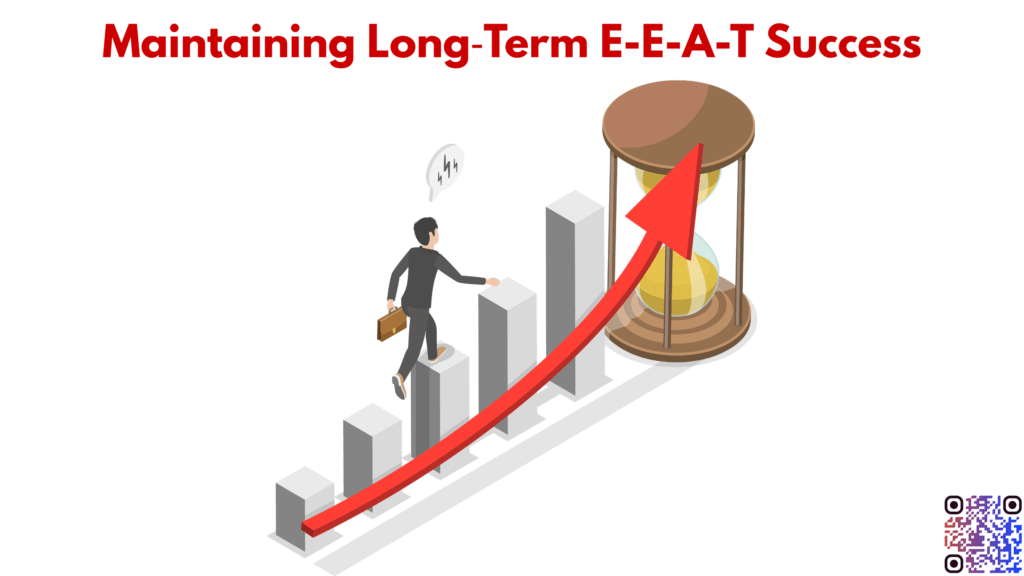
E‑E‑A‑T is not a one‑time optimization but an ongoing commitment. Sustaining trust requires continuous improvement, transparency, and adaptation to algorithm updates. Regular audits, user feedback, and ethical practices ensure that content remains credible and competitive.
Continuous Learning and Adaptation
SEO professionals must stay informed about Google’s evolving guidelines. Attending webinars, reading industry reports, and testing new strategies help maintain alignment with best practices.
Building a Culture of Credibility
Organizations should embed E-E-A-T principles into their culture. Training teams on ethical writing, fact-checking, and transparency ensures consistency across all content. Consistency across all digital touchpoints further strengthens brand trust and reliability. Our guide on Headless CMS 2026: Revolutionize Your Code & Content Globally explains how omnichannel systems help maintain this consistency at scale.
Leveraging Analytics for Improvement
Use analytics to identify which content performs best in engagement and trust metrics. Apply insights to refine future strategies.
Encouraging Community Engagement
Building a loyal community around content fosters trust. Encourage discussions, respond to comments, and create spaces for user interaction.
Aligning E‑E‑A‑T with Brand Values
Authenticity grows when brand values align with content. Consistent messaging across marketing, customer service, and social media reinforces trust.
Investing in Long‑Term Relationships
Partnerships with credible organizations, influencers, and experts strengthen authority and sustain trust over time.
The Human Element in E-E-A-T
While algorithms evaluate signals, human perception remains central to trust. Readers value empathy, clarity, and honesty. Writing with a human touch—acknowledging challenges, sharing lessons, and offering genuine help—creates emotional connection and credibility.
Storytelling as a Trust Tool
Stories humanize brands. Sharing real experiences, customer journeys, or behind‑the‑scenes insights transforms information into meaningful narratives.
Empathy in Content Creation
Understanding audience pain points and addressing them sincerely builds emotional trust. Empathy differentiates authentic content from automated or generic writing.
Balancing Data and Humanity
While data supports expertise, human insight gives it context. Combining both ensures content is informative yet relatable.
Building Emotional Resonance
Content that evokes emotion—hope, curiosity, or inspiration—creates stronger memory retention and brand loyalty. Emotional resonance complements factual accuracy in building trust.
Frequently Asked Questions (FAQs)

1. What does E-E-A-T mean in SEO?
E‑E‑A‑T stands for Experience, Expertise, Authoritativeness, and Trustworthiness. It is a framework used by Google to evaluate the quality and credibility of content. Websites that demonstrate real-world experience, accurate information, expert knowledge, and transparent practices are more likely to perform well in search rankings.
2. Why is E-E-A-T important in 2026?
In 2026, search engines prioritize trustworthy and people-first content more than ever. AI-generated content has increased online competition, so Google now focuses heavily on signals that prove content is written or reviewed by real experts with genuine experience.
3. How can I improve Experience in my content?
You can improve Experience by:
- Sharing personal insights or case studies
- Including original screenshots, photos, or videos
- Explaining real-life results and outcomes
- Adding practical examples from your own work
4. What are the best ways to demonstrate Expertise?
To show expertise:
- Publish well-researched and accurate content
- Include author bios with qualifications
- Reference reliable sources and data
- Update articles regularly to maintain accuracy
5. How do websites build Authoritativeness?
Authority is built through:
- Earning backlinks from trusted websites
- Publishing high-quality and original content consistently
- Getting mentions from industry experts
- Maintaining a strong brand reputation online
6. What makes a website trustworthy?
A trustworthy website usually has:
- HTTPS security
- Clear contact information
- Transparent privacy and refund policies
- Accurate and fact-checked information
- Positive user experience and reputation
7. Does AI-generated content affect E-E-A-T?
AI-generated content is acceptable if it is helpful, accurate, and reviewed by humans. Low-quality AI content without expertise or fact-checking can reduce trust and hurt SEO performance.
8. How important are author bios for SEO?
Author bios help search engines and users understand who created the content. Including credentials, experience, achievements, and social profiles can improve credibility and trust.
Conclusion
In 2026, E-E-A-T defines the foundation of trustworthy SEO content. Experience proves authenticity, expertise demonstrates knowledge, authoritativeness earns recognition, and trustworthiness ensures reliability. Together, these elements create a sustainable digital presence that resonates with both users and search engines.
Building E-E-A-T is not about manipulating algorithms—it’s about earning trust through genuine value. By integrating these principles into every stage of content creation, brands can achieve lasting visibility, credibility, and success in the evolving landscape of search.